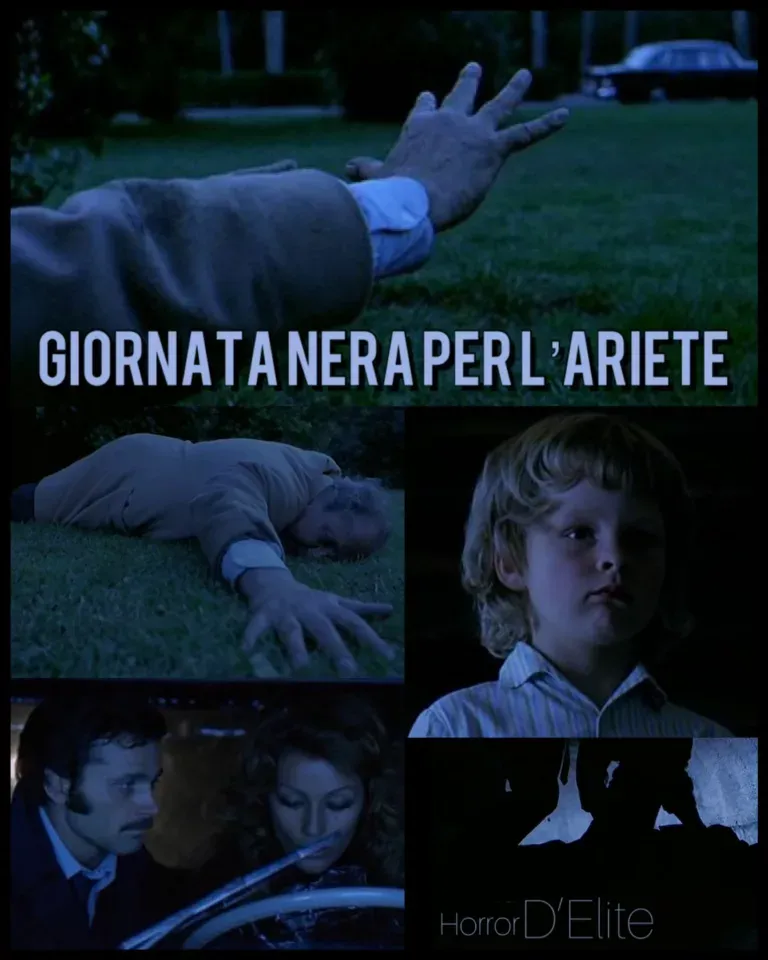
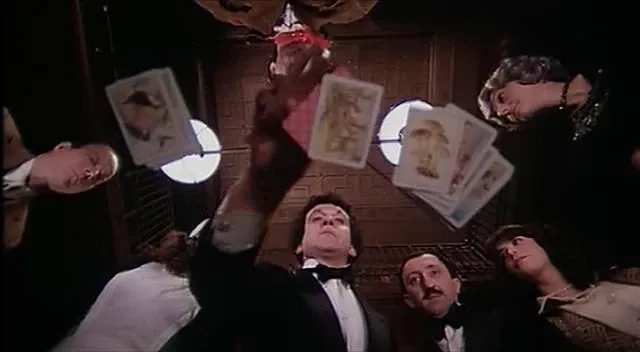
All Deceased… Except the Dead

All Deceased Except the Dead (1977) by Pupi Avati
Italian cinema is renowned for its ability to blend suspense, mystery, and a touch of black humor into a single cinematic experience. A perfect example of this genre mix is the film “All Deceased Except the Dead,” directed by Pupi Avati in 1977.
A Gothic and Intriguing Atmosphere
The Setting: Set in a tranquil Italian town, the film begins with a series of mysterious murders that shake the local community. Director Pupi Avati paints a gothic and mysterious atmosphere, enveloping viewers in a whirlwind of suspense and unease.
The Characters: The plot follows the investigations of Commissioner Martini, masterfully portrayed by Gianni Cavina, an investigator with a fascinating personality and indomitable wit. Alongside him, we encounter a series of eccentric and colorful characters that add depth and charm to the story.
Black Humor and Tension
The Subtle Thread of Black Humor: One of the distinctive features of the film is its skillful combination of suspense and black humor. Pupi Avati adeptly employs sarcasm and irony to lighten some situations, creating a unique balance between the grotesque and the comedic.
Suspense and Plot Twists: “All Deceased Except the Dead” keeps viewers on the edge of their seats with a series of unpredictable plot twists and breathtaking suspenseful moments. The tension steadily builds up to the final climax, leaving viewers breathless.
A Masterpiece of Italian Cinema
In conclusion, the film is a masterpiece of Italian cinema that skillfully blends suspense, mystery, and black humor into a captivating cinematic experience. With a gripping plot, memorable characters, and impeccable direction, the film remains a benchmark in Italian cinema. “All Deceased Except the Dead” is a film that absolutely must be seen.