Colleen Atwood, Iconic and Unforgettable

Colleen Atwood, iconic and unforgettable, is one of the most renowned and prolific costume designers in contemporary cinema, known for her versatile style and ability to create costumes that become iconic and unforgettable. With a career spanning over three decades, Atwood has collaborated with some of Hollywood’s most influential directors, including Tim Burton, Rob Marshall, and Jonathan Demme. Her work has earned her numerous accolades, including four Academy Awards. Although she is often associated with fantasy and dramatic films, Atwood has also made significant contributions to the horror genre, where her talent for crafting unique visual atmospheres has played a crucial role in defining the aesthetic of these films.
Iconic Collaborations with Tim Burton
Colleen Atwood’s creative partnership with Tim Burton is one of the most celebrated in cinematic history, having had a profound impact on the horror genre, particularly for the gothic and dark aesthetic that characterizes Burton’s films. Atwood has worked with Burton on numerous projects, and their collaboration has produced some of the most memorable costumes in modern cinema.
Sleepy Hollow (1999)
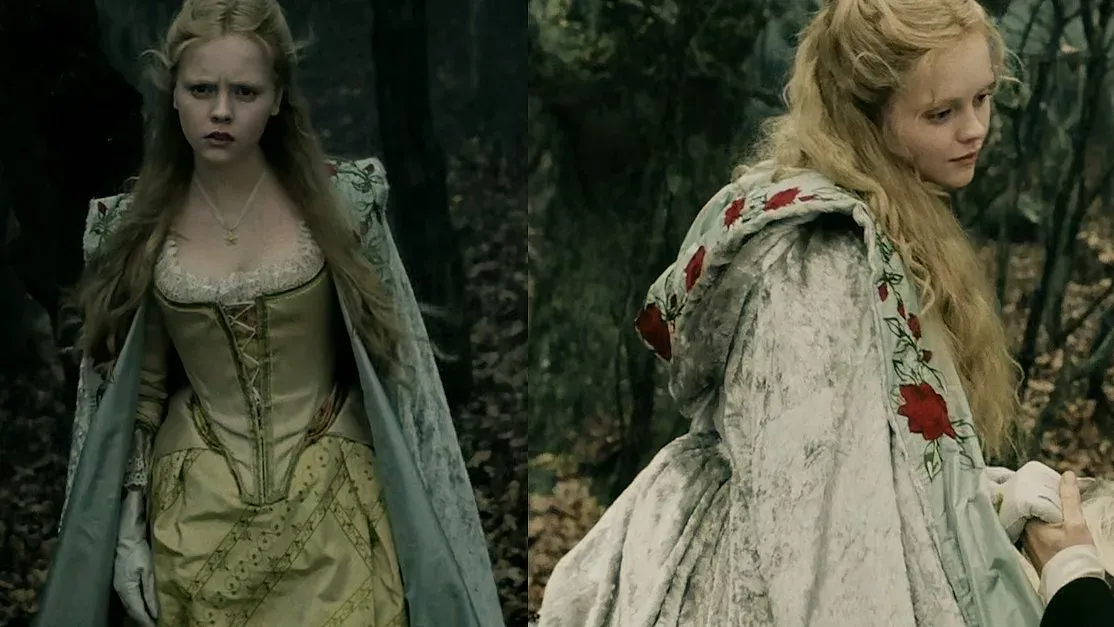
One of Atwood’s most significant works in the horror genre is Sleepy Hollow (1999), directed by Tim Burton. The film, a gothic adaptation of Washington Irving’s story, is a perfect blend of horror and mystery, where costumes play a central role in building the eerie and haunting atmosphere. Atwood crafted outfits that blend historical elements with fantastical touches, capturing the dark essence of the film. 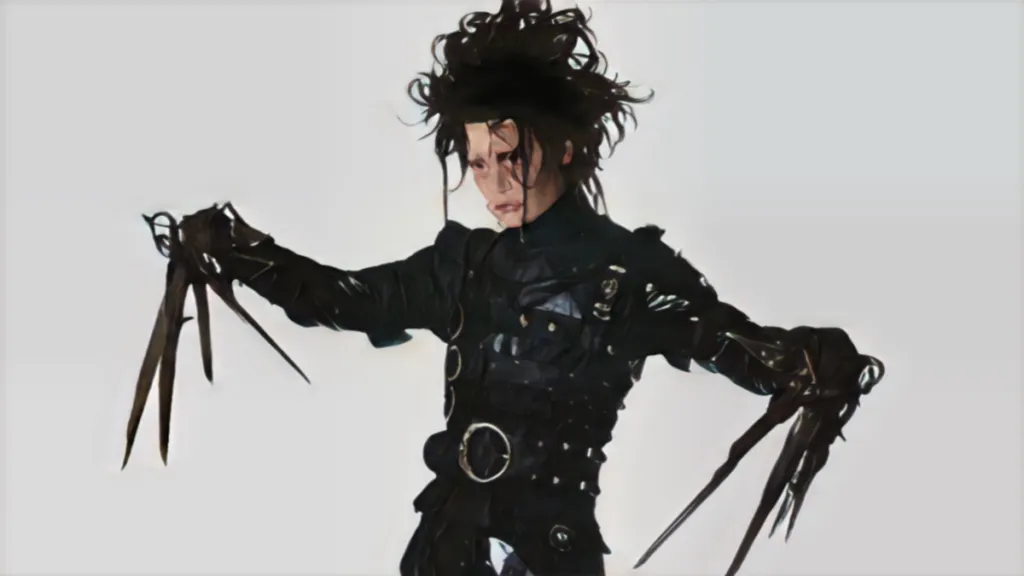
The costumes of the main characters, such as Ichabod Crane (played by Johnny Depp) and Katrina Van Tassel (played by Christina Ricci), are designed to reflect their emotional state and their position within the story. Ichabod, with his simple and functional attire, represents reason and science, contrasting with the superstitious and dangerous environment of Sleepy Hollow. In contrast, Katrina’s dresses, rich in detail and with an ethereal touch, highlight her connection to mystery and the supernatural. The use of black, gray, and dark colors is predominant, helping to create an atmosphere of constant tension and fear.
Sweeney Todd: The Demon Barber of Fleet Street (2007)
Another significant collaboration between Colleen Atwood and Tim Burton in the horror genre was Sweeney Todd: The Demon Barber of Fleet Street (2007). This horror musical, set in Victorian London, tells the story of barber Sweeney Todd (played by Johnny Depp), who, in search of revenge, turns his shop into a macabre theater of murders.
The costumes Atwood created for Sweeney Todd are key to evoking the film’s dark and decaying atmosphere. Todd’s clothing, with its dark colors and heavy fabrics, reflects his tormented and vengeful nature, while Mrs. Lovett’s (played by Helena Bonham Carter) ragged and dirty attire communicates the character’s moral degradation. Color usage is particularly significant: the contrast between the muted tones of the costumes and the vivid red of the blood creates a powerful visual effect, enhancing the violent and gruesome nature of the story.
Collaborations with Jonathan Demme and Psychological Horror
Colleen Atwood has also explored the horror genre outside her work with Tim Burton. One of her most memorable contributions in this field is The Silence of the Lambs (1991), directed by Jonathan Demme. Although the film is more of a psychological thriller than traditional horror, it contains significant horror elements, particularly in the portrayal of Hannibal Lecter (played by Anthony Hopkins) and Buffalo Bill (played by Ted Levine). 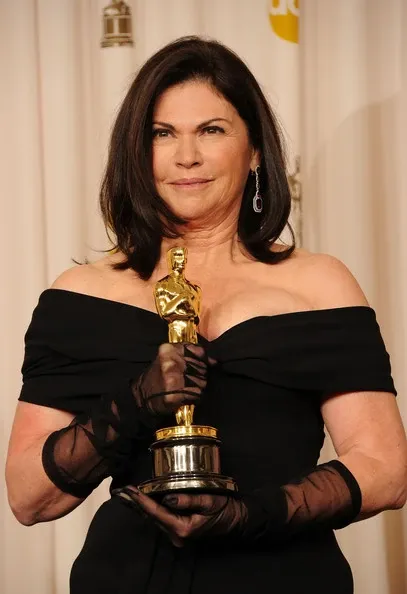
In The Silence of the Lambs, Atwood crafted costumes that subtly but effectively reflect the characters’ personalities. Hannibal Lecter’s prison attire, for example, is simple and functional, but its strict design and the way it is worn by Hopkins help build the image of a controlled, dangerous, and deeply unsettling man. Similarly, Buffalo Bill’s costumes, including his iconic human skin cloak, tell the story of his descent into madness and sadism. Atwood uses costume not only to clothe the characters but to explore their psyche, creating a visual tension that adds to the film’s psychological horror.
Edward Scissorhands (1990): The Chill of Isolation
Another film that, while not a conventional horror, contains deeply unsettling elements is Edward Scissorhands (1990), another collaboration between Atwood and Burton. The story of Edward (played by Johnny Depp), a creature resembling a man with scissors for hands, is a dark fairy tale that explores themes such as alienation, marginalization, and the fear of the other.
Atwood’s costumes for Edward are emblematic of the character: his gothic outfit, made of black leather and studs, is both menacing and vulnerable, reflecting his complex and tragic nature. The contrast between Edward’s clothing and the pastel colors of the American suburb where the film is set further accentuates his isolation and difference, creating a visual effect that is both heartbreaking and disturbing. This film, while having a strong fantastical component, presents a more subtle type of horror, tied to the human condition, which Atwood translated perfectly through costumes.
Alice in Wonderland (2010): A Fantastic Horror
In 2010, Atwood once again worked with Tim Burton on Alice in Wonderland, a film that, while primarily a fantasy, contains elements that recall gothic horror, especially in the portrayal of characters like the Red Queen and the Mad Hatter. Atwood’s costumes in this film are spectacular and surreal, helping to create a world that is both captivating and unsettling.
The Red Queen’s costume, with its oversized head and extravagant gown, is a perfect example of Atwood’s ability to blend horror with fantasy, creating a character that is visually fascinating but also deeply disturbing. Similarly, the Mad Hatter (played by Johnny Depp) is dressed in an outfit that, while colorful and whimsical, has a touch of madness that makes the character unstable and unpredictable, blurring the line between comedic and sinister.
The Legacy of Colleen Atwood in Horror Cinema
Colleen Atwood has left a significant mark on the horror genre, demonstrating how costumes can be powerful tools for creating atmospheres and characters that go beyond mere aesthetics. Her ability to breathe life into costumes, using them to explore deep themes like madness, alienation, and revenge, has made her work in horror and thriller films among the most memorable of all time.
Her collaborations with Tim Burton have produced some of the most iconic images of gothic cinema, while her work on The Silence of the Lambs helped make the film one of the most unsettling psychological thrillers ever made. Atwood continues to be one of the most respected and influential costume designers in the industry, and her contribution to horror cinema is only one part of the vast and impressive body of work she has built throughout her career.
Don’t miss reading about other costume designers who have helped horror cinema scare us. Their work has not only enhanced the films they’ve worked on but also elevated the horror genre to new artistic heights. Their costumes aren’t just clothes, but narrative tools that amplify suspense, express complex themes, and enrich the viewer’s visual experience.
 Subscribe to our YouTube channel