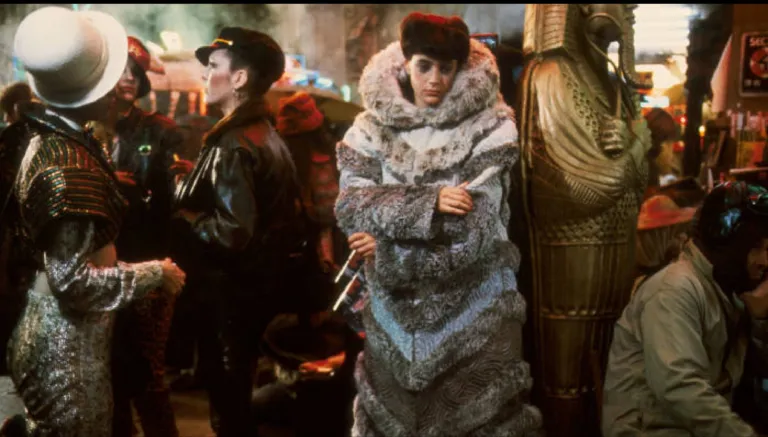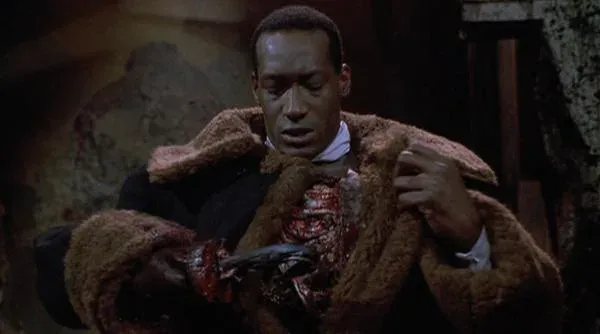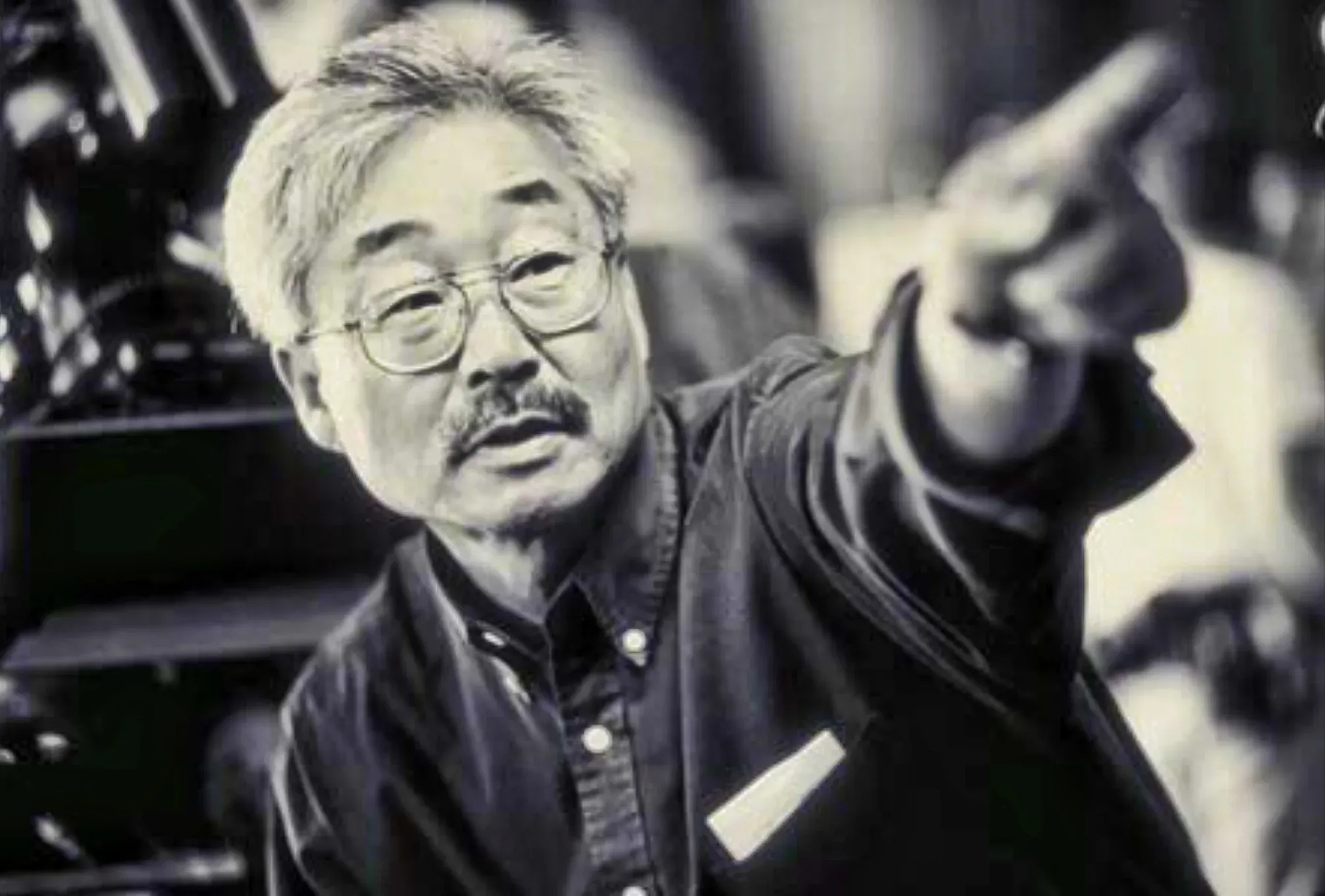
Tak Fujimoto – Natural Lighting and Minimalism

Tak Fujimoto – Natural Lighting and Minimalism
Tak Fujimoto is one of the most celebrated cinematographers in contemporary cinema, with a career spanning several decades and a portfolio of work that has helped define the visual language of many iconic films. Born on July 12, 1939, in San Diego, California, Fujimoto is of Japanese descent, and his aesthetic sensibility is evident in every project he has worked on, characterized by a visual approach that combines technical precision with a strong narrative sense.
 The Beginning of His Career
 The Beginning of His Career
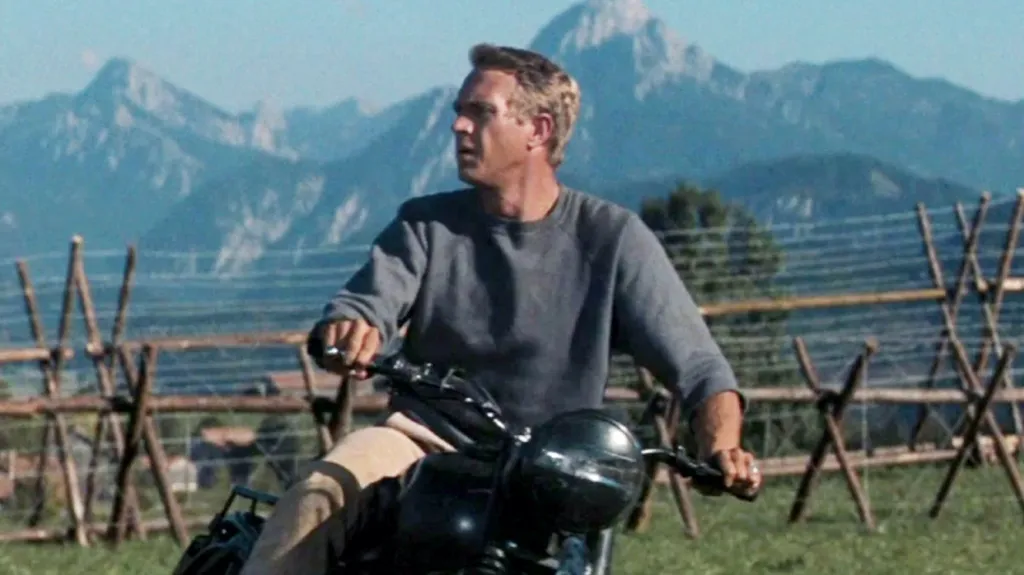
After attending the London School of Film Technique, Fujimoto began his career in American cinema as a camera assistant on films like “The Great Escape” (1963). However, it was during the 1970s that his career truly took off. He worked as a cinematographer on independent and genre films, collaborating with emerging directors who would later leave an indelible mark on cinema.
 Significant Collaborations
 Significant Collaborations
One of Fujimoto’s most significant collaborations was with director Jonathan Demme. Together, they created some of the most memorable films of the 1980s and 1990s. Among them is “The Silence of the Lambs” (1991), a psychological thriller that has become a cinematic classic. Fujimoto’s cinematography in this film is essential to creating the atmosphere of tension and unease that permeates the story. His ability to manipulate light and shadow to reflect the psychology of the characters elevated the film, contributing significantly to its critical and commercial success.
Fujimoto also worked with M. Night Shyamalan, another director with whom he formed a deep creative bond. Films like “The Sixth Sense” (1999), “Unbreakable” (2000), and “Signs” (2002) are known not only for their compelling stories but also for their unique visual style. Fujimoto used a cold color palette and meticulous composition to build an atmosphere of mystery and suspense, becoming an integral part of Shyamalan’s visual storytelling.
Style and Influences
Fujimoto’s style is often characterized by a raw naturalism, with a preference for natural lighting or minimal use of artificial light sources. This stylistic choice allows films to feel more realistic and immediate, drawing the viewer closer to the story in an almost documentary-like way. However, Fujimoto is not limited to a single stylistic approach: he is also capable of adopting a more stylized look when the story demands it, demonstrating remarkable versatility.
Fujimoto’s influences come from various fields, including art photography and Japanese cinema. He has often cited directors such as Akira Kurosawa as sources of inspiration, admiring their ability to tell stories through powerful images and complex compositions.

Legacy and Recognition
Over the course of his career, Fujimoto has received numerous accolades for his work, including several awards and nominations. Though not always in the spotlight like the directors with whom he collaborated, his contribution to cinema is invaluable. Fujimoto has demonstrated that cinematography is not just a matter of aesthetics, but a key element of cinematic storytelling.
His work has influenced a generation of cinematographers who see him as a master of the balance between art and technique. Fujimoto has created images that not only support the story but enrich it, adding layers of meaning through light, color, and composition.
Conclusion
Tak Fujimoto remains a central figure in the history of cinema, a cinematographer whose work has enriched many of the most important films of the last fifty years. With his unique approach and dedication to visual art, Fujimoto has left an indelible mark, inspiring future filmmakers and helping to define the standard of excellence in cinematography. His talent lies not only in capturing beautiful images but in telling complex and profound stories through his lens.
Don’t miss reading the articles on other cinematographers who defined horror cinema… they not only improved the films they worked on, but also elevated the horror genre to new artistic heights. Their unique visions and innovative techniques continue to influence horror cinema, making these films unforgettable milestones in the cinematic landscape. Natural lighting and minimalism, Tak Fujimoto…

Subscribe to our YouTube channel