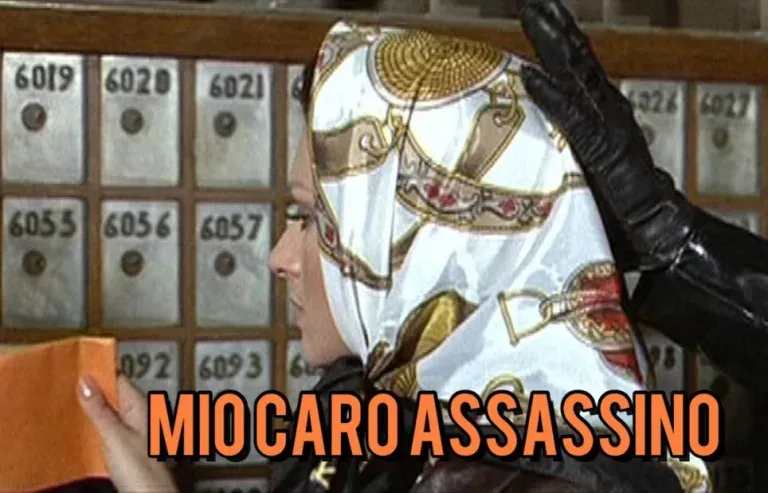
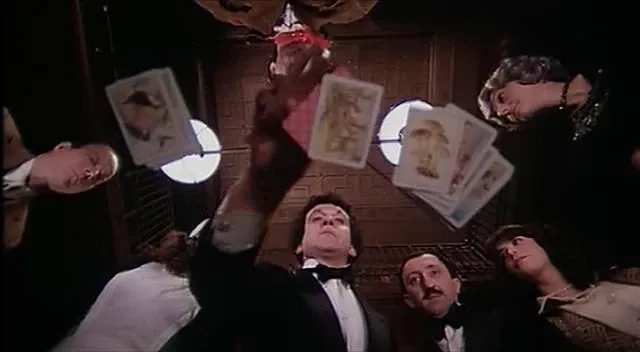
Tutti defunti tranne i morti

All Deceased… Except the Dead

All Deceased Except the Dead (1977) by Pupi Avati

Italian cinema is renowned for its ability to blend suspense, mystery, and a touch of black humor into a single cinematic experience. A perfect example of this genre mix is the film “All Deceased Except the Dead,” directed by Pupi Avati in 1977.

A Gothic and Intriguing Atmosphere
The Setting: Set in a tranquil Italian town, the film begins with a series of mysterious murders that shake the local community. Director Pupi Avati paints a gothic and mysterious atmosphere, enveloping viewers in a whirlwind of suspense and unease.

The Characters: The plot follows the investigations of Commissioner Martini, masterfully portrayed by Gianni Cavina, an investigator with a fascinating personality and indomitable wit. Alongside him, we encounter a series of eccentric and colorful characters that add depth and charm to the story.

Black Humor and Tension
The Subtle Thread of Black Humor: One of the distinctive features of the film is its skillful combination of suspense and black humor. Pupi Avati adeptly employs sarcasm and irony to lighten some situations, creating a unique balance between the grotesque and the comedic.

Suspense and Plot Twists: “All Deceased Except the Dead” keeps viewers on the edge of their seats with a series of unpredictable plot twists and breathtaking suspenseful moments. The tension steadily builds up to the final climax, leaving viewers breathless.

A Masterpiece of Italian Cinema
In conclusion, the film is a masterpiece of Italian cinema that skillfully blends suspense, mystery, and black humor into a captivating cinematic experience. With a gripping plot, memorable characters, and impeccable direction, the film remains a benchmark in Italian cinema. “All Deceased Except the Dead” is a film that absolutely must be seen.
Similar Posts

  • |

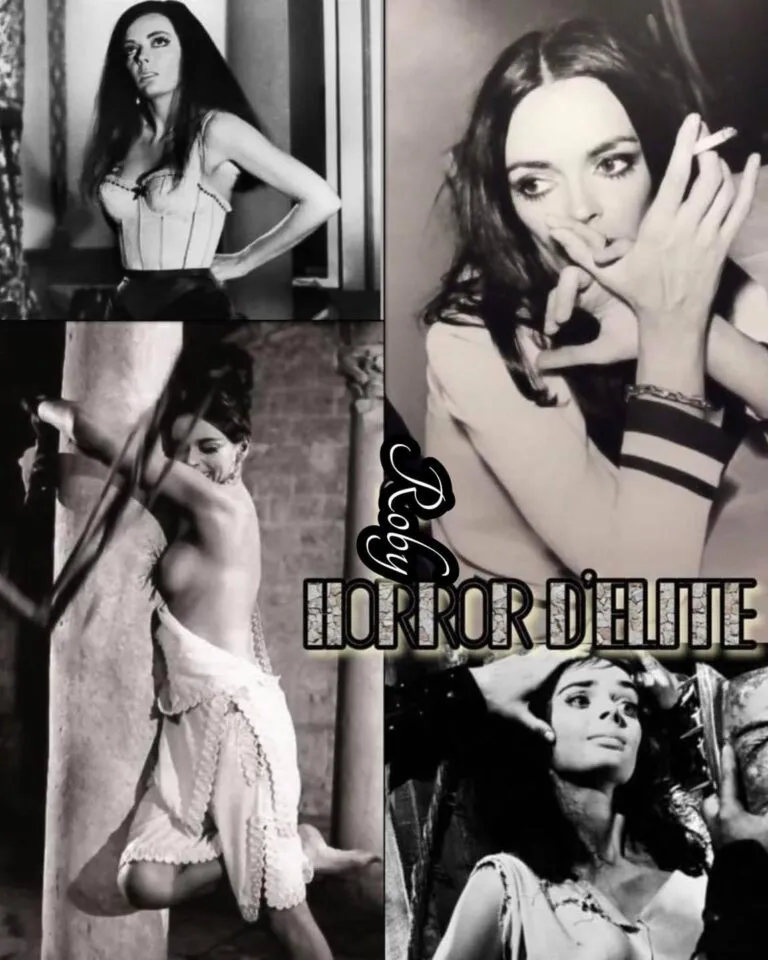
    Clara Calamai

    Clara Calamai debuted in 1938 with the epic film directed by Aldo Vergano, Pietro Micca, and quickly became highly popular, starring in several films from the late 1930s to the early 1950s. Her full-frontal nude appearance in Alessandro Blasetti’s La cena delle beffe was the first “nature” scene in a sound film, causing a huge public scandal and leading to the movie being banned for viewers under 16 years old.

  • Freaks

    The plot of “Freaks” follows the story of Hans, a trapeze artist in a traveling circus, and his girlfriend Cleopatra, a beautiful trapeze artist. However, Cleopatra is mainly interested in his inheritance and engages in a relationship with the circus strongman, Hercules. When she discovers that Hans has a considerable fortune, Cleopatra conspires with Hercules to poison him and seize his money. However, Cleopatra and Hercules underestimate the power and loyalty of the “freaks” community, who unite to avenge the betrayal suffered by one of their own.

  • A Lizard in a Woman’s Skin

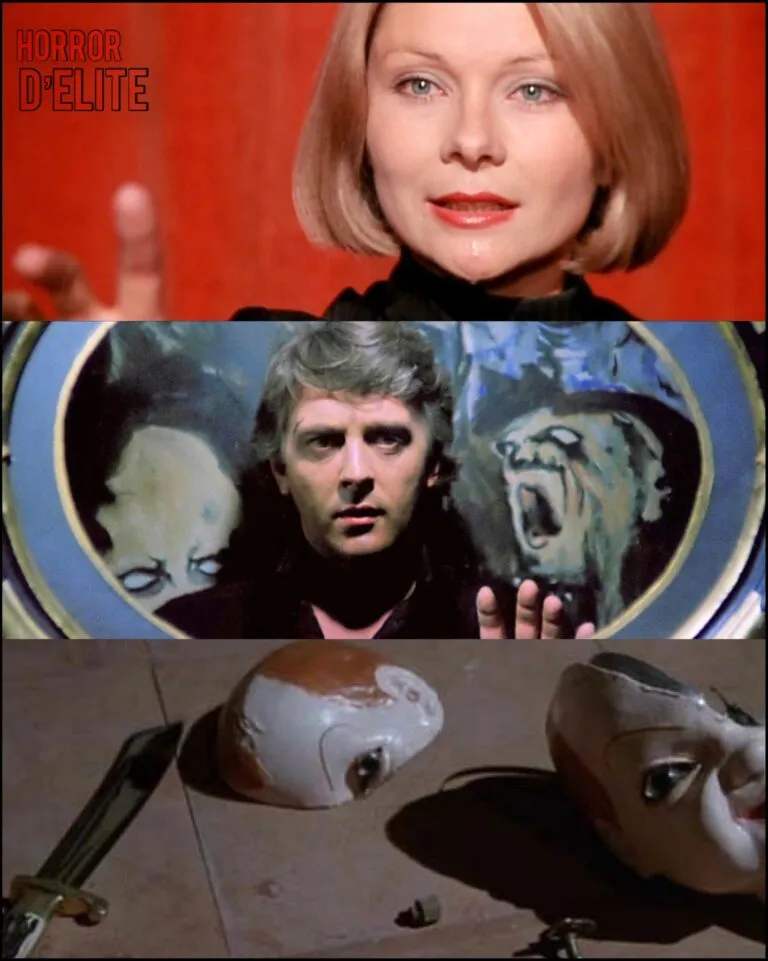
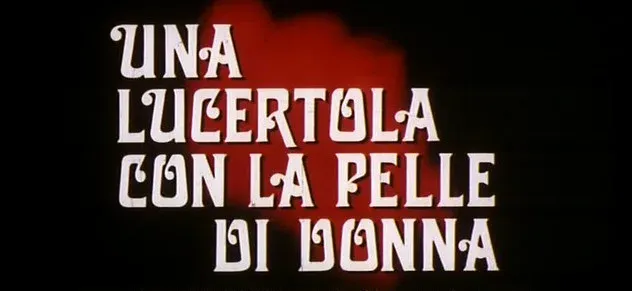
    A Lizard in a Woman’s Skin is a 1971 film directed by Lucio Fulci, one of the undisputed masters of Italian horror and thriller cinema. This film stands as an icon of the psychedelic giallo genre, known for its intricate plot, surreal atmosphere, and hypnotic soundtrack. Lucio Fulci, with his narrative skill and mastery in creating tension, presents a work that explores the boundaries of the human mind and the thin line between dream and reality.

  • Delirium

    Delirium is a 1987 film directed by Lamberto Bava, one of the most prolific directors in Italian horror cinema and son of the famous Mario Bava. This film represents an example of *giallo all’italiana*, a genre that combines elements of thriller, horror, and mystery. With an intricate plot, suspenseful atmosphere, and strong visual aesthetics, *Le Foto di Gioia* stands out for its ability to keep viewers on edge until the very end.

Leave a Reply

Your email address will not be published. Required fields are marked *