Bette Davis

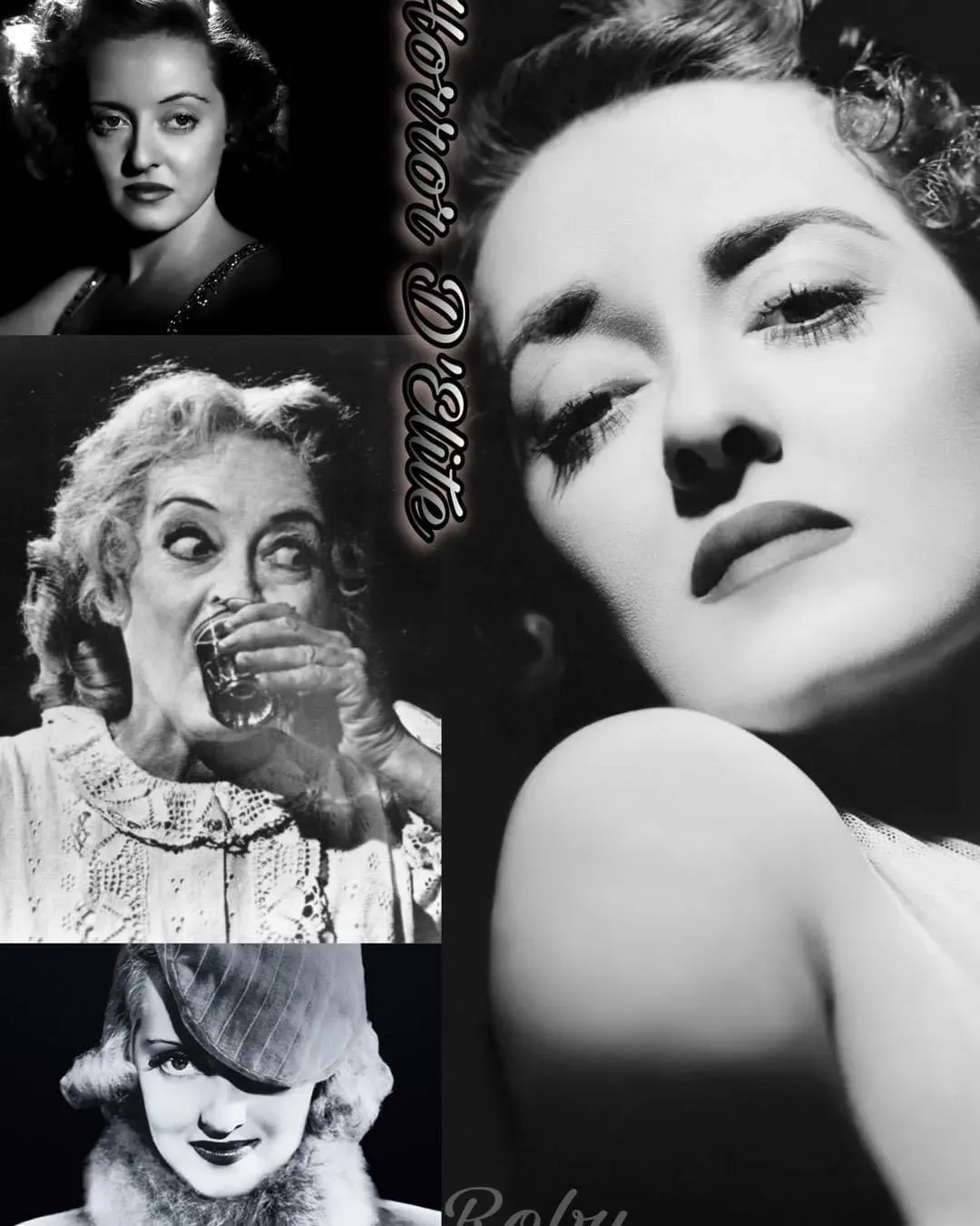
Bette Davis, the diva with the most famous eyes ever.
She was one of the greatest actresses of 20th-century American cinema. Born in 1908 in Lowell, Massachusetts, Davis was one of the first women to break gender stereotypes in the world of film, portraying strong, independent, and often controversial characters.
Davis began her career in the film industry in the 1930s, working with esteemed directors such as William Wyler and Alfred Hitchcock. Her first major success came in the 1936 film “The Petrified Forest,” where she starred alongside Humphrey Bogart. From there, Davis continued to portray a series of iconic roles, including the lead in “Jezebel” in 1938, for which she won her first Academy Award for Best Actress.
But the role that made Bette Davis a cinema legend was that of Margo Channing in “All About Eve” in 1950, directed by Joseph L. Mankiewicz. In this film, Davis played a theater diva who clashes with her young, ambitious assistant, played by Anne Baxter. Her portrayal of Margo Channing was so iconic that many still cite it today as one of the greatest roles ever performed by an actress.
Davis continued to work in the film industry for many years, though her career had its ups and downs. In 1962, she won her second Oscar for the film “What Ever Happened to Baby Jane?” where she starred alongside Joan Crawford. This film was particularly significant for Davis as it marked a comeback in her career after a period of low popularity.
Bette Davis was also an activist for women’s rights in the film industry, fighting for equal pay and job opportunities for actresses. In 1977, she published her autobiography titled “This ‘N That,” where she talked about her life and career in the film world.
Davis passed away in 1989 at the age of 81, but her impact on the world of cinema and popular culture continues to live on today. Her strength, charisma, and ability to portray unforgettable characters have made her one of the greatest icons of cinema of all time.