Buio Omega

Buio Omega
Directed by Joe D’Amato
Italy, 1979
PLOT
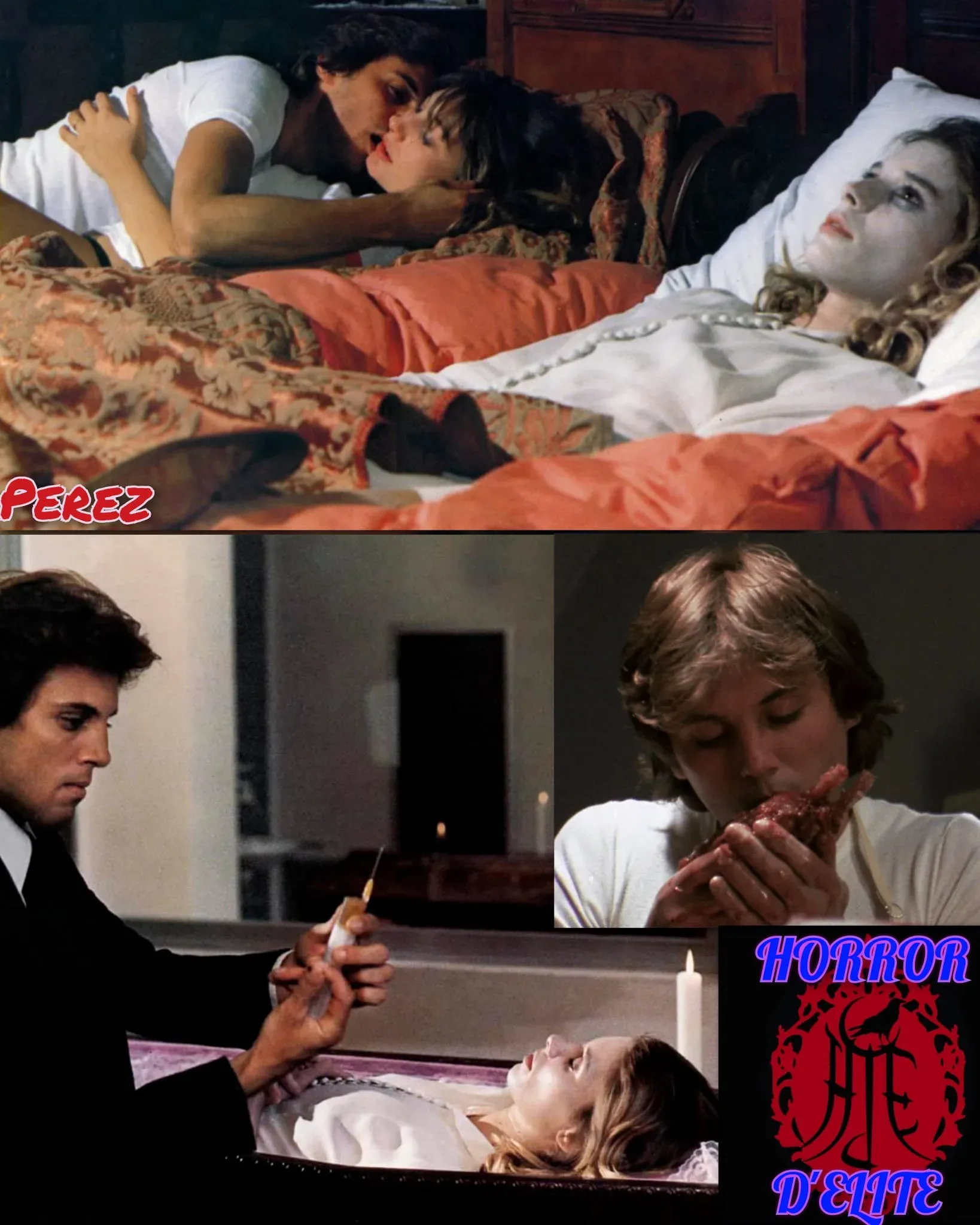
Francesco is a noble and skilled embalmer who lives in a mansion in the mountains with his housekeeper, Iris. Secretly in love with him, Iris one day pays a witch to cast a curse on Francesco’s fiancée, Anna, who dies suddenly. Francesco is devastated, and after the funeral and burial, he decides to exhume Anna’s body, embalm it, and keep it in his home. This will be just the first extreme episode, followed by others that will drag the young man into a spiral of madness and murder.
CONSIDERATIONS
“Not even death will separate us.”
Francesco’s words in front of his beloved Anna’s corpse, after exhuming her from the grave, are probably the key to understanding this macabre and dark gem by Joe D’Amato.
Buio Omega goes beyond visual extremism, offering in its hour and a half runtime a corollary of necrophilia, cannibalism, autopsies, bodies dissolved in acid, serial killings, and uncompromising gore.
But, although we are talking about an extreme film, it is important to also underline the double face of Buio Omega.
That is, a devastating love story that spirals into the pain of loss.
The trauma of grief seeps into Francesco’s mind, distorting his reality.
First, leading him to embalm his deceased lover’s body, then to kill every woman he meets, and eventually marrying Iris, his accomplice in the crimes and the true mastermind behind Anna’s murder.
Stylistically, the film is impeccable: it benefits from perfect direction, solid shots that spare no detail in extreme moments, baroque framing that fits perfectly with the faces of the protagonists and the decaying backdrop of the villa.
The cherry on top: the music by the Goblin, who scored the soundtrack.
D’Amato gives us one of the most significant horror films in the history of Italian cinema.
Sick, perverse, disturbing, but at the same time romantic and decadent, perfectly in line with the other great (and underrated) works by the director, such as Antropophagus and Rosso Sangue.
PANDEMONIC MOMENT
The embalming of Anna’s body.
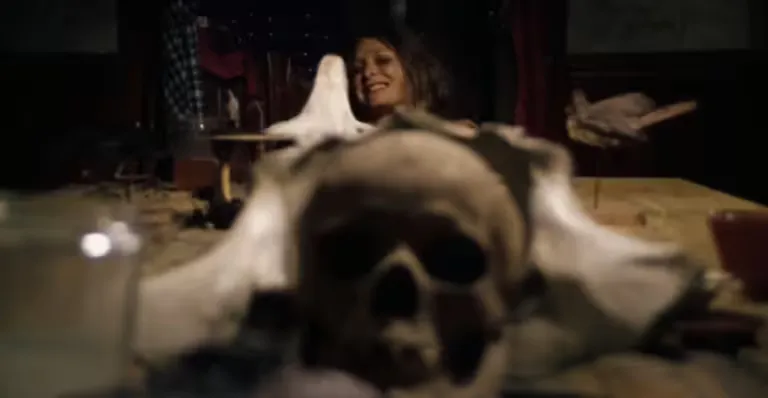
After stealing the corpse from the grave, Francesco brings it home and, laid out on a table, carefully and precisely removes the intestines, brain, and heart, all shot and framed in detail.
In a symbolic act of extreme love, the heart is then taken and eaten by the protagonist.

Subscribe to our YouTube channel