Gloria Stuart

Gloria Stuart: The Cinema Icon Who Illuminated the Silver Screen
Gloria Stuart, with her ethereal beauty and extraordinary talent, stands as one of the most captivating and admired figures of Hollywood’s golden age. Her career, spanning over eight decades, has been an extraordinary journey through the epochs of cinema, leaving an indelible mark on generations of audiences and artists fortunate enough to encounter her work.
Youth and Early Career
Born on July 4, 1910, in Santa Monica, California, Gloria Frances Stewart showed an early interest in the arts and entertainment. After studying acting at Santa Monica High School and the University of California, she made her debut on the silver screen in the early 1930s, beginning a career that would shape the world of entertainment.
Rise to Success
Gloria Stuart quickly captured the attention of audiences and critics alike with her enchanting beauty and natural talent. She landed roles in a series of successful films, including “The Old Dark House” (1932) and “The Private Life of Henry VIII” (1933), earning praise and recognition for her bravery and versatility as an actress.
The Golden Age of Hollywood
Gloria Stuart lived and worked during Hollywood’s golden age, a period of great creativity and splendor in the world of cinema. She shared the screen with some of the biggest stars of the time, including Boris Karloff, Claude Rains, and James Cagney, leaving her mark with unforgettable performances and timeless grace.
Return to the Limelight
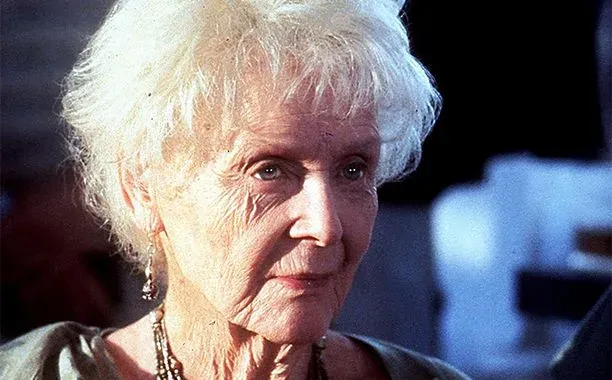
After some years away from the silver screen, Gloria Stuart returned to the spotlight in the 1990s with a series of roles that earned her new praise and admiration from audiences and critics. But it was her role in James Cameron’s “Titanic” (1997) that brought her back to the forefront in an extraordinary way. Portraying the elderly Rose Dawson, Stuart captured the hearts of audiences worldwide, earning an Academy Award nomination for Best Supporting Actress and becoming the oldest person ever nominated for an Oscar.
A Lasting Legacy
Gloria Stuart’s legacy in the world of entertainment is undeniable. With her grace, talent, and enterprising spirit, she illuminated the silver screen and inspired millions of people around the world. Her extraordinary career and life experiences remain a source of inspiration for generations of artists and audiences, demonstrating the enduring power of cinema to transform and enrich our lives.
Conclusion
In conclusion, Gloria Stuart will forever remain a legendary figure of cinema, a woman who traversed time and space through her unforgettable performances and enchanting presence on screen. Her life and career are a testament to the beauty, grace, and power of cinema to touch the deepest chords of our hearts and souls. May her spirit continue to shine bright like a star in the cinematic firmament forever.