Secret Window

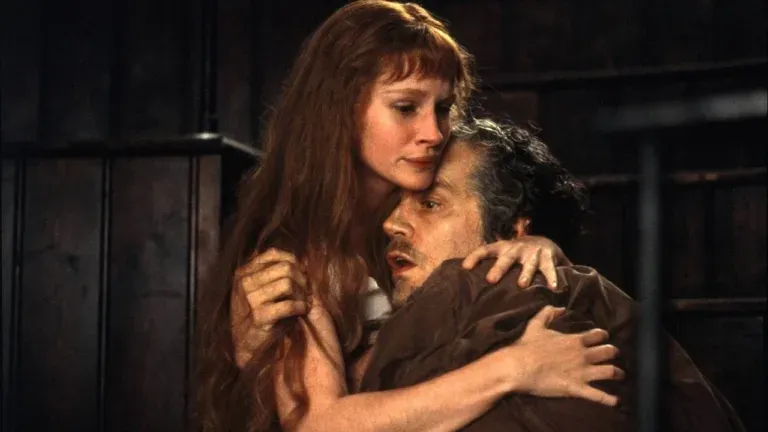
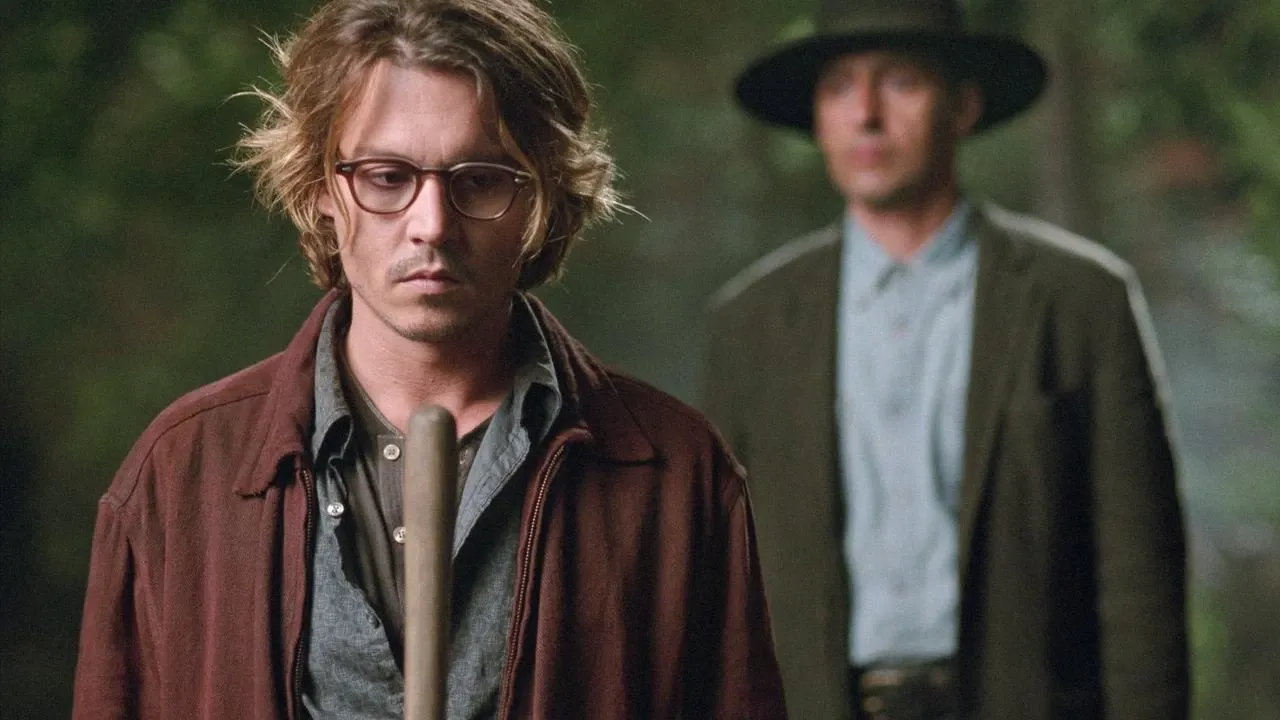
“Secret Window” follows the story of Mort Rainey (portrayed by Johnny Depp), a successful writer in emotional crisis after marital betrayal. Mort retreats to an isolated house by the lake to seek inspiration for his next novel. However, his tranquility is disrupted when a mysterious man named John Shooter (played by John Turturro) accuses him of stealing his story.
Shooter’s threat escalates, leading Mort to investigate the situation and confront his own tormented mind. The plot unfolds through twists and revelations as Mort grapples with growing paranoia and the difficult distinction between reality and fiction. The film culminates in a gripping climax that unveils the truth behind Shooter’s accusations, leaving the audience with a profound reflection on the nature of creativity and madness.
“Secret Window” is a compelling exploration of the fragility of the human psyche and the consequences of intense creativity. The portrayal of Mort Rainey as a troubled writer offers a penetrating look into the artistic pressures and personal challenges faced by those who dedicate their lives to creation.
The choice to set much of the story in a remote lakeside house contributes to a sense of isolation and escalating tension. The cinematography strives to capture Mort’s emotional claustrophobia through tight shots and a color palette reflecting his evolving mood, shifting from warm to cold tones.
The character of John Shooter, compellingly portrayed by John Turturro, adds a layer of mystery and menace to the film. His enigmatic presence and accusations of plagiarism cast shadows on Mort’s mental health, fueling doubt among viewers about the protagonist’s true guilt.
The soundtrack, curated by Philip Glass, underscores the psychological tone of the film, amplifying anxiety and uncertainty through its emotive compositions. Each note feels like a further immersion into Mort’s mind, contributing to a captivating and engaging cinematic experience.
The juxtaposition of reality and fantasy emerges as a dominant theme, forcing viewers to question truth and reflect on the nuances of perception. The film challenges the conventions of traditional psychological thrillers, offering an unexpected ending that may prompt viewers to reassess everything they have previously seen.
In conclusion, “Secret Window” is not only an intriguing thriller but also a profound meditation on the human mind, creativity, and the price that can accompany artistic success. Its combination of extraordinary performances, captivating direction, and intricate plot makes it a work worthy of exploration and thorough analysis.