Stan Winston: The Master of Special Effects Who Made the Fantastic a Reality

In the world of cinematic special effects, few names shine as brightly as Stan Winston. With a career spanning more than four decades and an impressive collection of awards and accolades, Winston has been a central figure in elevating and transforming the special effects industry, bringing fantastic creatures and extraordinary visions to life in ways that few artists have achieved. Stan Winston: The master of special effects who made the fantastic a reality.
The Origins of a Genius
Stan Winston was born on April 7, 1946, in Arlington, Virginia. From a young age, Winston showed a passion for art and cinema, an interest that soon manifested in his career. After attending the University of Virginia, Winston moved to Los Angeles to pursue his dream of working in film. He began his career in the special effects industry with minor roles, but soon his talent emerged, catching the attention of some of the industry’s biggest names.
 His Film Debut
 His Film Debut
Winston made his significant debut with the film “The Omen” (1976), where he worked on special effects. However, it was with the film “Jurassic Park” (1993) directed by Steven Spielberg that his name began to resonate as one of the leading innovators in the field. The creation of realistic dinosaurs through animatronics and mechanical special effects represented a revolution for the film industry, demonstrating Winston’s mastery in blending art and technology.
The Master of Creatures
Stan Winston is best known for his ability to create and bring extraordinary creatures to life. His career is marked by successes in this field, with works ranging from monsters and aliens to cinematic icons. Among his most famous creations is the T-Rex from “Jurassic Park,” a masterpiece of animatronics that set new standards for realism in films.
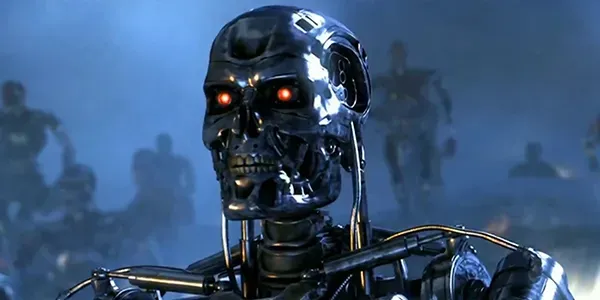 But Winston’s genius didn’t stop at dinosaurs. He created some of the most iconic monsters in film history, including the T-800 android from “The Terminator” (1984) and “Terminator 2: Judgment Day” (1991), and the character of Predator in “Predator” (1987). Each creation was a masterpiece of design and engineering, showcasing extraordinary attention to detail and a profound understanding of biomechanics.
Innovations and Techniques
Winston was an innovator in the field of special effects. He was known for his ability to combine animatronics, prosthetic makeup, and digital visual effects to create extraordinary results. He founded his company, Stan Winston Studio, which became a benchmark for quality and innovation in the industry.
One of the most remarkable aspects of Winston’s work was his ability to adapt to new technologies without compromising quality. He collaborated with many of the greatest filmmakers of his time, contributing to films like “Aliens” (1986), where his designs for extraterrestrial creatures became legendary.
Awards and Recognition
Stan Winston’s talent has been widely recognized and celebrated. He received five Academy Awards for Best Special Effects and Makeup, including those for “Aliens” (1986), “Terminator 2: Judgment Day” (1991), and “Jurassic Park” (1993). Each award represents a testament to his commitment and mastery in transforming the fantastic into reality.
The Legacy of Stan Winston
Stan Winston’s legacy goes beyond his iconic creations and awarded achievements. He left a lasting mark on the film industry through his innovation and commitment to excellence. His company, Stan Winston Studio, continues to be a beacon of quality and creativity, and his work has inspired generations of artists and technicians in the field of special effects.
Moreover, Winston was known for his generosity and collaborative spirit. He was admired not only for his technical skills but also for his positive approach and desire to help others grow in the industry. His influence is still felt today, and many of his protégés and collaborators continue to carry forward his legacy.
Conclusion
Stan Winston was not just a master of special effects; he was a true visionary artist who redefined how fantastic creatures and effects are portrayed on the big screen. His career exemplifies how passion, talent, and innovation can transform the film industry and create works that will remain in the collective memory forever. Winston demonstrated that with creativity and dedication, it is possible to bring to life some of the most extraordinary dreams of our imagination. His legacy lives on through his work and the influence he had on generations of artists and filmmakers. Stan Winston: The master of special effects who made the fantastic a reality.
 Subscribe to our YouTube channel