The Mummy

 “The Mummy” from 1932: An Iconic Cinematic Adventure in the Land of the Pharaohs
An opus boasting an intriguing aura of mystery and charm, “The Mummy” from 1932, skillfully directed by Karl Freund, remains a timeless masterpiece that has captivated generations of viewers with its blend of adventure, romance, and gothic terror.
An Introduction to the Egyptian World
Set amidst ancient ruins and the arid sands of Egypt, “The Mummy” introduces viewers to an atmosphere steeped in magic and mystery. Director Karl Freund creates a setting rich in detail, transporting viewers back in time to the era of pharaohs and their supernatural powers.
The Eerie Fascination of Imhotep
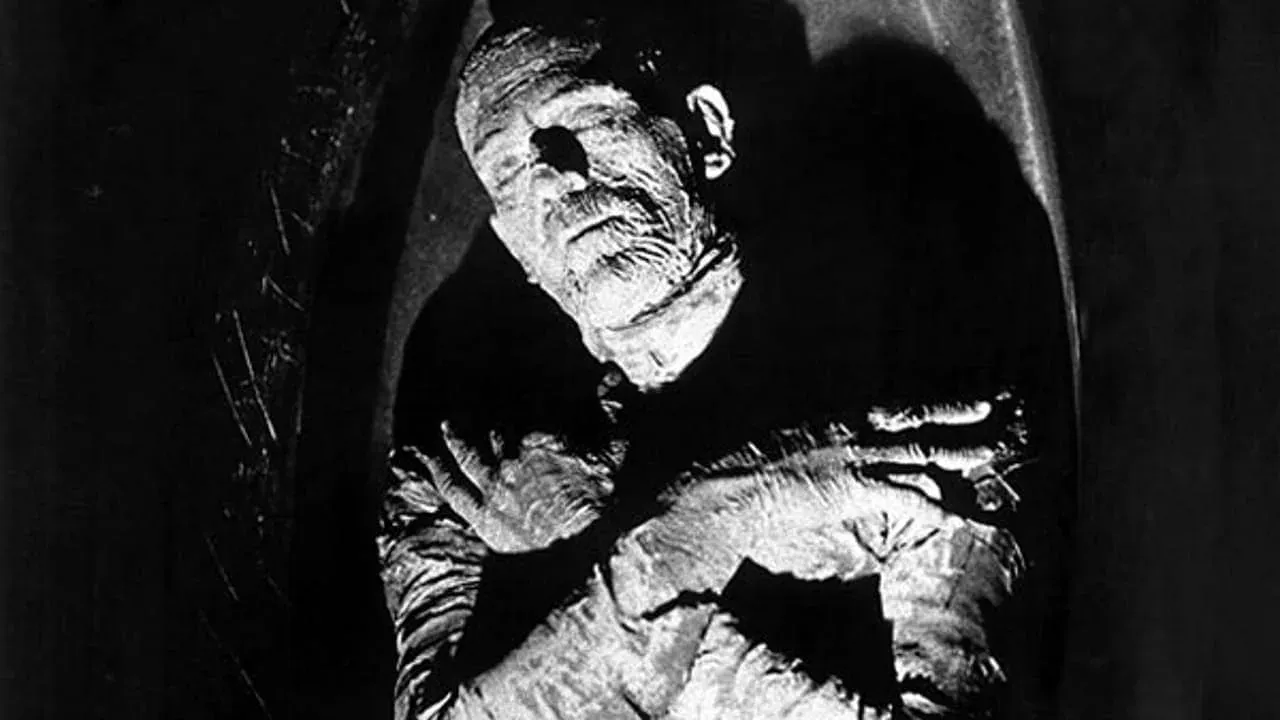
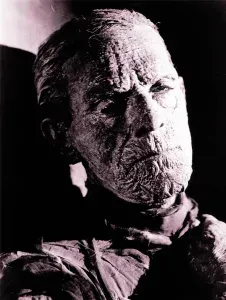
At the heart of the plot lies Imhotep, portrayed by the legendary actor Boris Karloff. 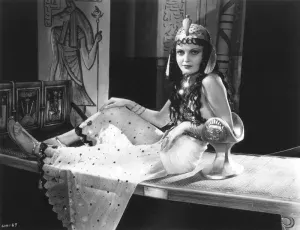 Imhotep is an ancient Egyptian priest awakened from his millennia-old curse when a group of archaeologists discovers his secret tomb. Karloff lends the character a magnetic presence, blending a sense of nobility with a subtle yet palpable aura of evil.
A Love Across the Centuries
A central theme of the film is love that defies time. Imhotep, infatuated with the reincarnation of an ancient Egyptian princess named Anck-Su-Namun, portrayed by Zita Johann, embarks on a mission to resurrect his lost love. This romantic plot adds another layer of complexity to the narrative, offering a poignant glimpse into the power of love that transcends the barriers of time and death.
The Mummy as an Icon of Horror Cinema
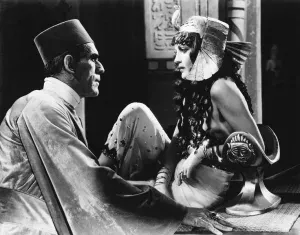 “The Mummy” also stands out for its ability to generate suspense and terror without relying on elaborate special effects. Freund skillfully harnesses the use of light and shadow to create a dark and eerie atmosphere. Additionally, the combination of evocative soundtrack and compelling acting performances helps keep viewers glued to the screen, immersed in a world of suspense and horror.
 Legacy and Influence
 Legacy and Influence
Beyond being a box office success upon its release, “The Mummy” has left an indelible mark on the horror genre and cinematic imagery. The film has inspired numerous subsequent works in the realms of cinema, literature, and even comics. Its legacy endures to this day, with remakes and adaptations continuing to breathe life into the mummy myth for new generations of viewers.
Conclusion
“The Mummy” from 1932 remains an icon of horror cinema and a benchmark of cinematic excellence in its genre. Through its blend of evocative atmosphere, memorable performances, and gripping plot, Karl Freund’s film continues to capture the imagination of audiences, transporting them on a journey through time and space to the ancient lands of Egypt.