
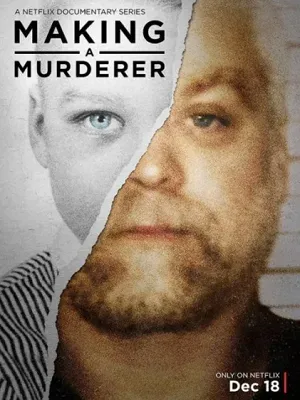
Making a Murderer

Making a Murderer: An In-Depth Exploration of Justice and Injustice
“Making a Murderer,” the groundbreaking Netflix documentary series, has captivated audiences worldwide with its gripping portrayal of the American criminal justice system. Directed by Laura Ricciardi and Moira Demos, this 10-part series delves deep into the real-life case of Steven Avery, a Wisconsin man who was wrongfully convicted of sexual assault and attempted murder, only to find himself accused of another murder just a few years after his release.
The series begins with Avery’s release from prison in 2003, after DNA evidence exonerated him of the earlier crime for which he had served 18 years. Viewers are then taken on a journey through Avery’s subsequent legal troubles, including his arrest and trial for the murder of photographer Teresa Halbach in 2005. As the story unfolds, “Making a Murderer” raises important questions about police conduct, prosecutorial ethics, and the fairness of the criminal justice system.
One of the most compelling aspects of the series is its meticulous attention to detail. Through archival footage, courtroom recordings, and interviews with key players, Ricciardi and Demos paint a vivid picture of Avery’s case, allowing viewers to form their own opinions about his guilt or innocence. The filmmakers present a wealth of evidence that suggests Avery may have been framed by law enforcement officials eager to close the Halbach case, raising troubling concerns about corruption and misconduct within the justice system.
“Making a Murderer” also shines a spotlight on the broader issues of class, privilege, and systemic inequality that permeate the American legal system. Avery, a working-class man with a history of run-ins with the law, is portrayed as a victim of institutionalized bias, targeted by authorities who see him as disposable. The series highlights the disparities in access to legal representation and the power dynamics at play in high-stakes criminal cases, prompting viewers to consider the ways in which social and economic factors can impact the outcome of a trial.
Throughout its runtime, “Making a Murderer” challenges viewers to grapple with complex moral and ethical dilemmas. As the evidence against Avery mounts, viewers are forced to confront their own preconceptions about guilt and innocence, wresting with doubts about the integrity of the legal process. The series fosters a sense of outrage and indignation at the injustices suffered by Avery and his family, sparking widespread public outcry and calls for reform within the criminal justice system.
In the years since its release, “Making a Murderer” has sparked heated debates and inspired countless discussions about the failings of the American legal system. The series has become a rallying cry for advocates of criminal justice reform, galvanizing support for initiatives aimed at preventing wrongful convictions and addressing systemic issues within law enforcement and the courts.
In conclusion, “Making a Murderer” stands as a powerful indictment of the flaws and failures of the American criminal justice system. Through its compelling storytelling and incisive analysis, the series shines a light on the injustices faced by Steven Avery and others like him, challenging viewers to confront uncomfortable truths about the pursuit of justice in America. As the fight for accountability and reform continues, “Making a Murderer” serves as a poignant reminder of the urgent need for change.