Zdzisław Beksiński: The Visionary of Horror

Introduction
Zdzisław Beksiński, The Visionary of Horror and Dystopian Surrealism (1929-2005), is one of the most fascinating and disturbing painters of the 20th century, known for his works exploring themes of decay, apocalypse, and horror. His artistic visions, often characterized by desolate landscapes, deformed figures, and dreamlike scenarios, have captured the imagination of art enthusiasts and critics worldwide. Beksiński managed to create a unique universe, where unease and the sublime intertwine in a macabre and captivating dance.
The Life of Zdzisław Beksiński
Born on February 24, 1929, in Sanok, Poland, Zdzisław Beksiński began his artistic career studying architecture at the University of Krakow. After completing his studies, he returned to Sanok and worked as a construction supervisor, but soon dedicated himself entirely to art. His early works included experimental photography, sculpture, and drawing, characterized by a strong sense of surrealism and distortion.
In the 1960s, Beksiński began focusing on painting, developing his distinctive style. Despite lacking formal artistic training, he managed to create works of extraordinary visual power. His career was marked by growing recognition, both in Poland and abroad, culminating in numerous exhibitions and retrospectives.
Beksiński’s personal life was marked by tragedies, including the death of his wife Zofia in 1998 and the suicide of his son Tomasz in 1999. Beksiński himself was tragically murdered in 2005, an event that added another layer of unease to his already tormented artistic legacy.
 Themes and Style
 Themes and Style
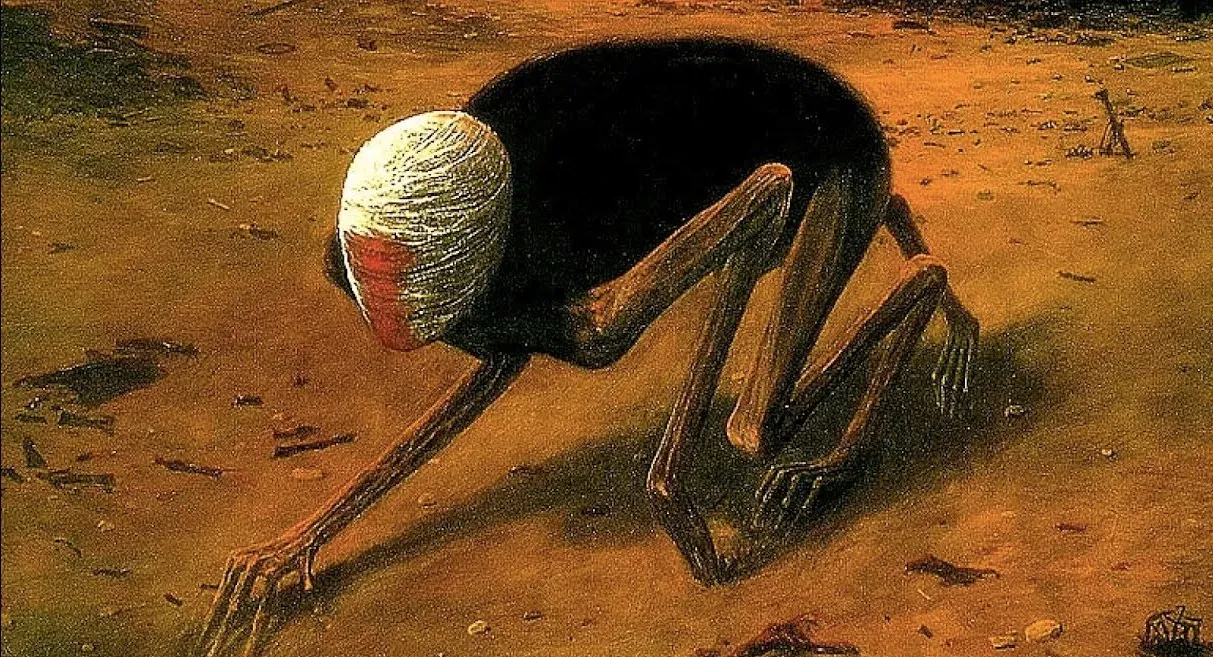
Beksiński’s works are characterized by disturbing and dystopian iconography, often populated by spectral figures, desolate landscapes, and dilapidated architectural structures. His art explores themes of death, decomposition, and apocalypse, offering a dark and visionary view of the world. Beksiński himself described his work as “a tale of dreams, but not necessarily nightmares.”
One of the most fascinating aspects of Beksiński’s work is his ability to evoke a sense of mystery and terror without resorting to explicit representations of violence. His works are imbued with a sense of unease and anguish, creating atmospheres that seem suspended between dream and nightmare.
His canvases are often dominated by a palette of dark, earthy colors, with occasional bursts of color adding an extra dimension of drama. The human figures and faces that populate his works are often distorted or partially hidden, suggesting a continuous transformation and loss of identity.
Technique and Influences
Beksiński was self-taught, which makes his technical skill and the depth of his work even more impressive. He used a variety of techniques, including oil on canvas, pastel, and ink, to create rich textures and intricate details. His ability to manipulate light and shadow, as well as his attention to detail, gives his works a three-dimensional and hypnotic quality.
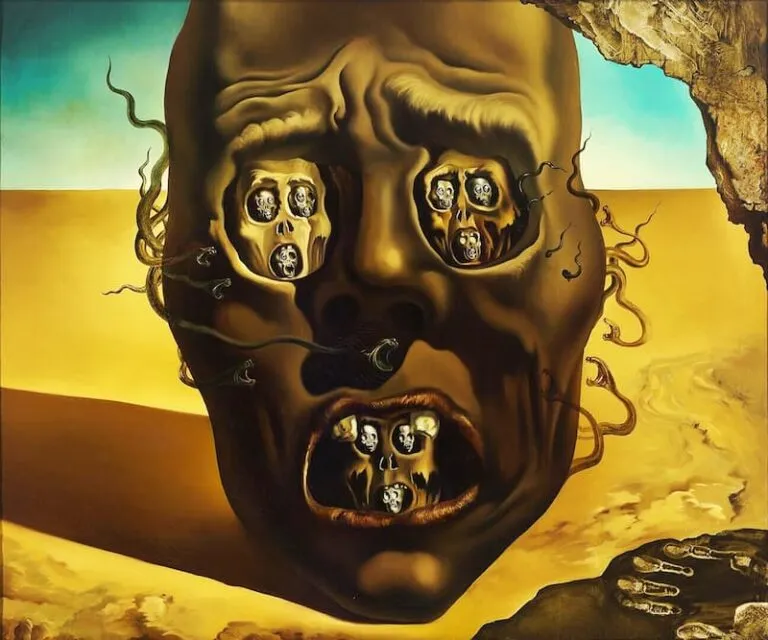
Beksiński’s influences are varied, ranging from Salvador Dalí and Max Ernst’s surrealism to Arnold Böcklin’s symbolism. However, his work is deeply original and personal, reflecting a unique and tormented vision of the world. His art has also been compared to gothic literature and dystopian science fiction, highlighting his ability to create complex and engaging visual narratives.
 Legacy and Influence
 Legacy and Influence
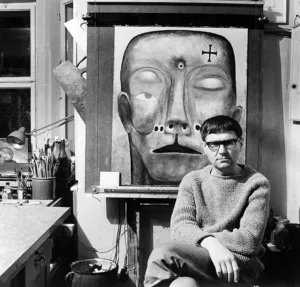
Zdzisław Beksiński’s work has had a lasting impact on contemporary art, inspiring a new generation of artists and enthusiasts. His distinctive style and his ability to explore deep and universal themes through a unique visual language have made him a reference figure in the field of horror and fantastic art.
His works are displayed in numerous museums and private collections worldwide, and continue to be the subject of exhibitions and academic studies. Beksiński has also influenced the world of cinema, music, and video games, with his dark and visionary imagery continuing to resonate across various cultural domains.
In Poland, the Sanok Museum houses one of the largest collections of his works, attracting visitors from around the world who wish to explore Beksiński’s unique and unsettling universe.
Conclusion
Zdzisław Beksiński, The Visionary of Horror and Dystopian Surrealism, remains a central figure in contemporary art, a master able to transform his dark and tormented visions into works of extraordinary beauty and power. His ability to evoke dystopian and dreamlike worlds, coupled with his technical mastery, has made him one of the most influential and admired artists of the 20th century. Beksiński succeeded in shaping the fears and wonders of the human unconscious, creating a legacy that will continue to inspire and fascinate for many generations to come.
Don’t miss reading the articles on other Horror Painters in our Top 10… they have explored the depths of human anguish and terror, creating works that continue to challenge and fascinate viewers. Their ability to evoke intense emotions through art has made them fundamental figures in the global artistic landscape.

Subscribe to our YouTube channel