La Donna, la Strega.

The Woman the Witch.

The Woman, the Witch.

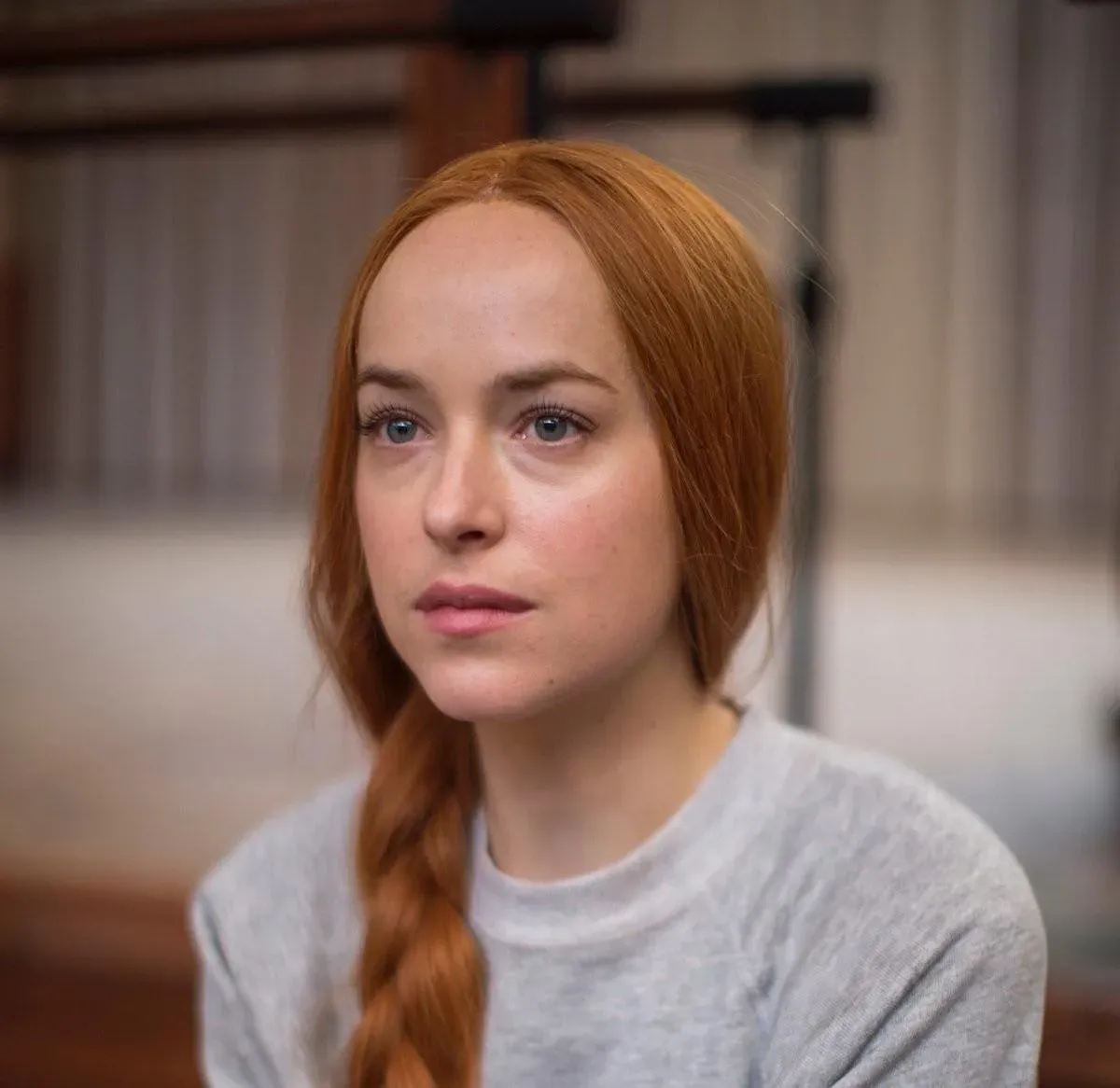
Sometimes, as children, we feel “different,” as if we sink our roots into a land far from where we were born, sensing that something inside us is not free to express itself. This is what happens to Susie Bannion (Dakota Johnson). Berlin attracts her like a magnet, like light calls a nighttime moth.
The Woman the Witch
She finds herself in a world completely different from her own, where religion and household chores were all that was expected of a well-to-do girl. Here, they dance. But the dance is not an end in itself; it is a ritual. Something that serves to achieve more, a bond, a reason for gathering aimed at providing the energy necessary to unleash the most powerful powers of witches. And Susie is this. Susie is THE witch. The one who compensates an act of extreme cruelty with one of extreme compassion, the one who finds security in herself only by accepting her fate. The only one who understood her true nature was her mother. But what does it mean for a Mennonite girl to feel rejected even by the mother who gave birth to her? A mother incapable of loving her simply because she is different, not a true mother. And here, alongside the esoteric side, the psychological and inner drama of the protagonist is added; change is always frightening, but Susie is attracted to it. Always. For her, it wasn’t easy to play the role of that rural Mennonite girl; she was born for something better. And she felt it. She wanted it.
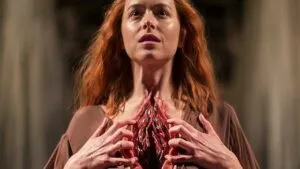

And apparently, playing this role, laden with expectations due to its predecessor and rich in psychological/social backgrounds, was not easy at all for the beautiful Dakota Johnson. Being confined in Campo Dei Fiori in Varese seems to have caused her identity crises and panic attacks that forced her into long sessions with a psychotherapist. But in the end, this is also part of her role—an actress who wholeheartedly embodied the character assigned to her, even at the cost of heavy repercussions.

The Woman, the Witch


Subscribe to our YouTube channel

Similar Posts

  • Winona Ryder

    Winona Ryder, whose real name is Winona Laura Horowitz, was born on October 29, 1971, in Winona, Minnesota, USA. She is an American actress widely known for her versatility and iconic roles in films across various genres, from horror to romantic comedies, and from historical dramas to science fiction.

  • Michael Chapman ‘s Visual Style

    Michael Chapman was one of the most iconic and influential cinematographers in the history of American cinema, renowned for his innovative visual style and his ability to capture the essence of the characters and stories he worked on. Born on November 21, 1935, in New York, Chapman helped shape some of the most memorable films of the 1970s and 1980s, collaborating with directors like Martin Scorsese, Philip Kaufman, and Paul Schrader. His work, characterized by bold use of light and color, has had a lasting impact on modern filmmaking.

  • Kazu Hiro: The Magician of Prosthetic Makeup

    In the world of cinema, where magic comes to life on the big screen, few artists have had as profound and lasting an impact as Kazu Hiro, formerly known as Kazuhiro Tsuji. Renowned for his extraordinary talent in creating realistic and incredibly detailed transformations, Kazu Hiro has become a legend in the field of special effects and prosthetic makeup. From his ability to shape historical figures with impressive realism to his contribution to the birth of some of the most iconic faces in contemporary cinema, Kazu Hiro has left an indelible mark on the history of cinema.

  • Eiko Ishioka and her Dracula

    Eiko Ishioka and her Dracula are among the most visionary and innovative costume designers in cinema history, famous for her bold, surreal, and dramatic style. Born in Tokyo in 1938, Ishioka started her career in the world of advertising but soon became a globally recognized creative force, working in various fields including costume design for theater, opera, and, of course, film. Her unique aesthetic and unconventional approach revolutionized how costumes can be used to tell stories, especially in horror films, where she created some of the most iconic and unsettling images ever seen on the big screen.

Leave a Reply

Your email address will not be published. Required fields are marked *