Don Giovanni or The Stone Guest

Don Giovanni or The Stone Guest

Don Giovanni or The Stone Guest

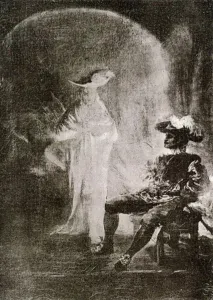
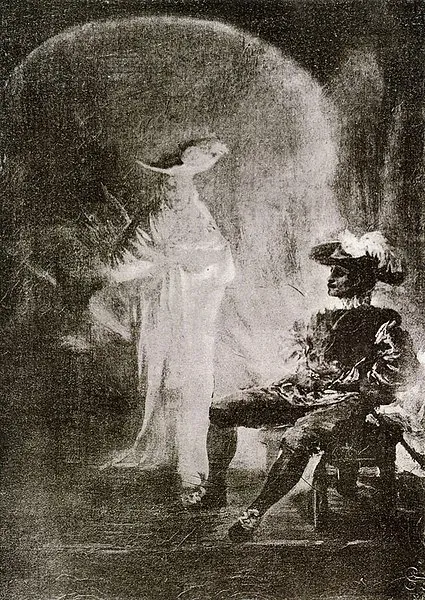
Welcome to our feature on the last of the six Black Paintings by the master Goya, commissioned by the Dukes of Osuna. The final painting we discuss today is Don Giovanni, or The Stone Guest. For this painting, Goya draws inspiration from the tragic comedy by playwright Tirso de Molina.

Brief Summary of the PlayDon Giovanni

The protagonist of the play is the infamous seducer Don Giovanni, who, driven by his unrestrained passion for satisfying his carnal desires, commits murder. The man killed by the protagonist is a commander, yet Don Giovanni is absolved of all charges. The play narrates how Don Giovanni, in his audacity, tries to seduce the widow of the man he killed. He eventually succeeds, and just as he finds himself in the woman’s room, the ghost of the commander suddenly appears, extending his hand to Don Giovanni. Fearlessly, Don Giovanni accepts, and the two descend into hell.

Description of the Painting

Unfortunately, the location of this painting is unknown, and it’s uncertain if it still exists, as only a black-and-white photo remains. The setting of the painting is marked by an arch at the top of the composition, beneath which looms the stone statue of the commander. The spectral figure of the commander approaches Don Giovanni, who appears completely unafraid, standing confidently with hands on his hips, defiant. The infernal punishment that will befall the murderer is symbolized by the flames enveloping the scene.
Unlike the other paintings in the series that explore the conflict between reality and imagination, and condemn ignorance and superstition, Don Giovanni instead reveals the consequences of sin. One may mock human laws and judges—this was the code by which the seducer lived, having won complete absolution in life. However, no one can escape divine justice.


Subscribe to our YouTube channel


Come explore the world of Horror Art
Similar Posts

  • Spirit

    George Roux (1853-1924) was a prolific French artist and illustrator. Born on December 10, 1853, in Paris, Roux showed early artistic talent and studied under the guidance of his father, who was also an artist. Specializing in historical genre painting and illustration, Roux gained fame particularly for his illustrations for the novels of Jules Verne, significantly contributing to the visual imagery of many literary works of the time.

  • Takayuki Takeya – Horror Sculpture in Japan

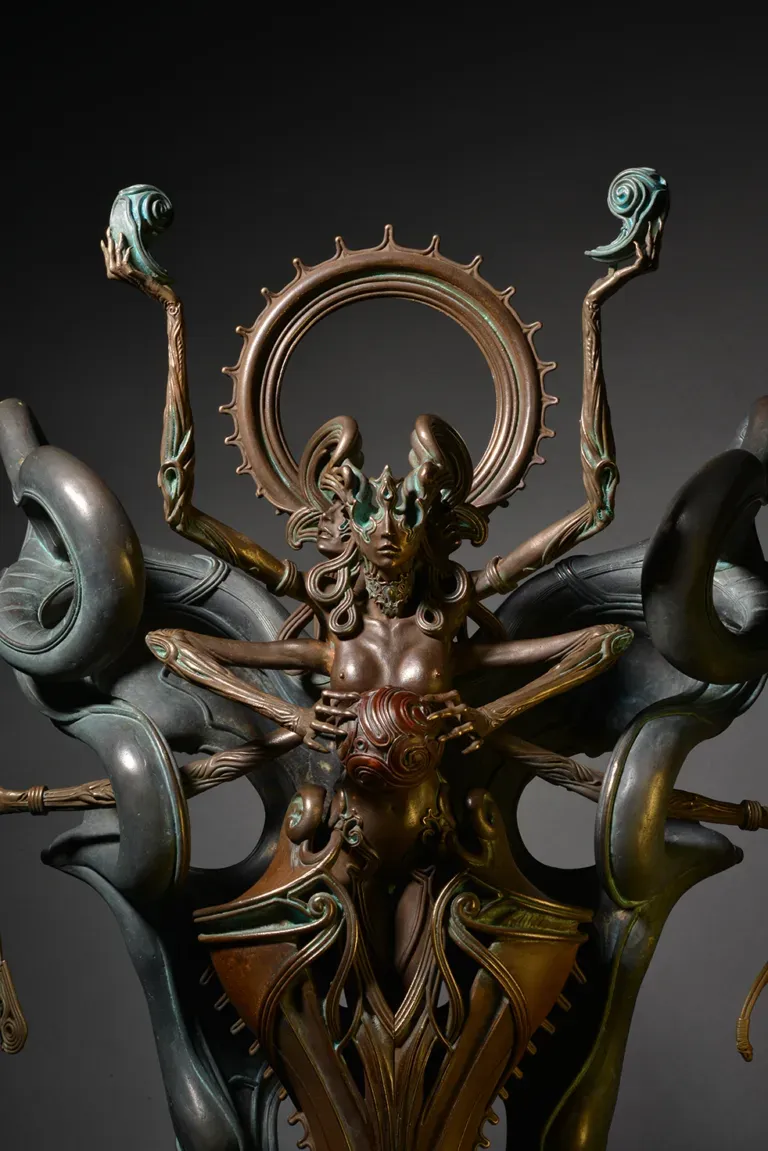
    is a highly talented Japanese sculptor and designer, known for his intricate and unsettling works that blend elements of horror, fantasy, and traditional Japanese culture. His sculptures, often characterized by meticulous detail and impressive craftsmanship, have garnered global admiration. In this post, we will explore Takeya’s life, work, and impact on the contemporary art world.

  • The Ghost of a Flea

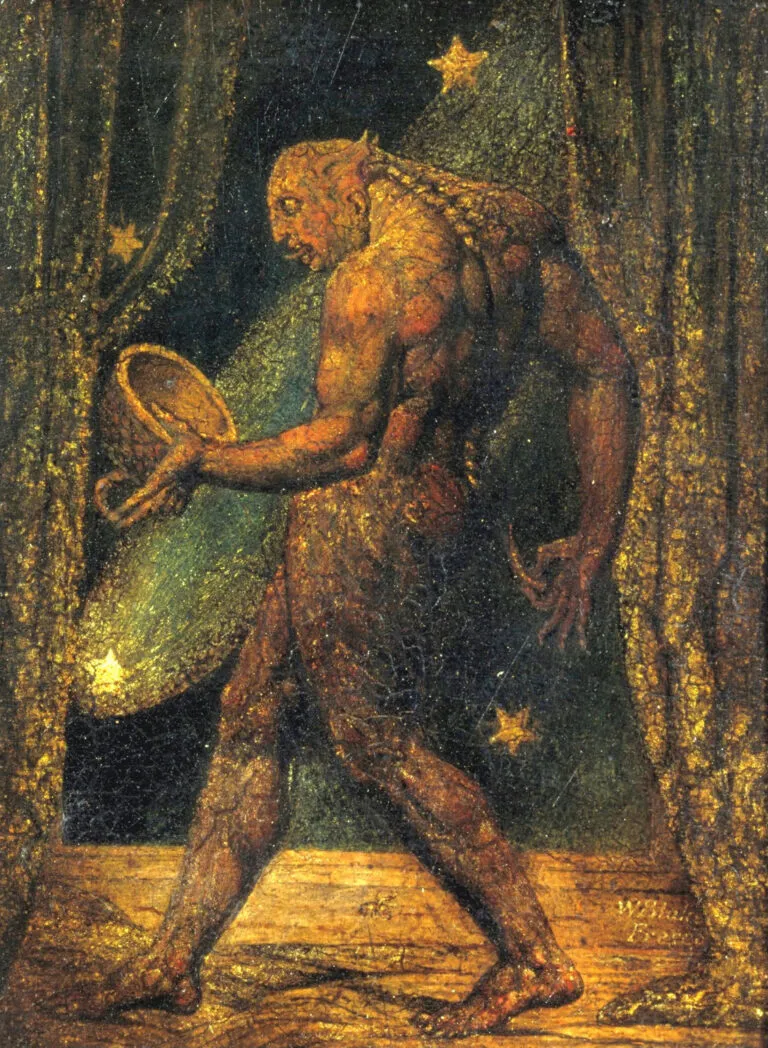
    “The Ghost of a Flea” is a painting by the versatile English artist William Blake (1757-1827), housed at the Tate Gallery in London. Created between 1819 and 1820, this work offers a unique and enigmatic glimpse into Blake’s artistic imagination.

  • | | |

    Dari Zuron The Aesthetics of the Uncanny Between Dream and Decay

    In the dark firmament of contemporary art, Dari Zuron emerges as a restless star, capable of sculpting nightmares with the same grace others use to sketch light. His works, rich in gloomy symbolism and gothic suggestions, seem to breathe in the limbo between death and memory, evoking disjointed figures, faces lost in the silence of oblivion, and twilight settings where every detail oozes wounded beauty.

  • Steven Klein: Sexuality and Decadence

    is one of the most influential and controversial contemporary photographers, known for his provocative style that merges fashion, art, and horror into a bold and unsettling visual language. With a career spanning over three decades, Klein has collaborated with some of the biggest icons in pop culture, creating images that challenge conventions and explore themes such as power, identity, sexuality, and decadence.

  • The Scream

    It depicts a solitary human figure on a bridge, with hands holding its face in a pose expressing a desperate scream. The work has become a universal symbol of anguish and alienation, subject to numerous interpretations and analyses.

Leave a Reply

Your email address will not be published. Required fields are marked *