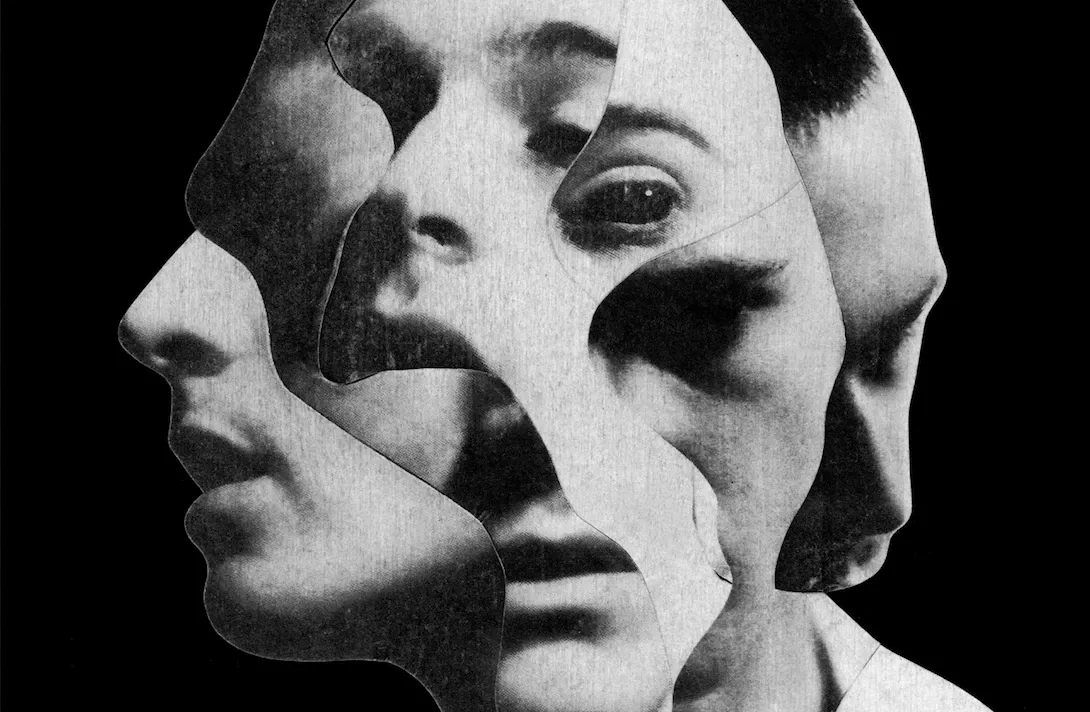
Jesse Draxler Il Disfacimento dell'Identità Attraverso l'Arte
| |

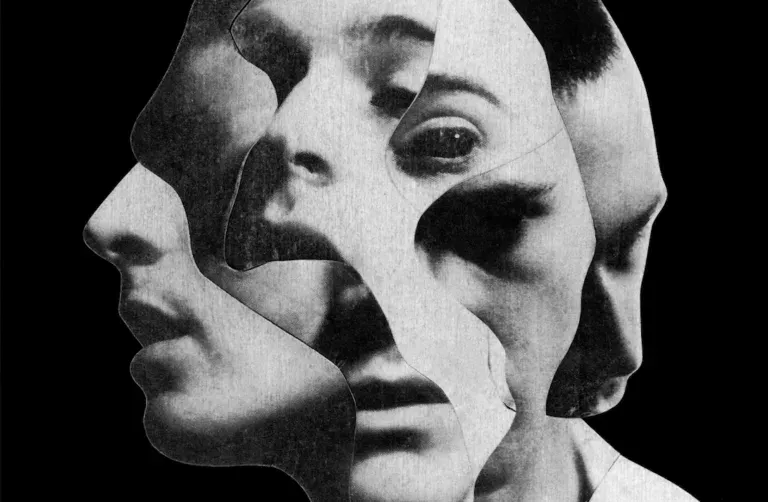
Dari Zuron The Aesthetics of the Uncanny Between Dream and Decay

In the dark firmament of contemporary art, Dari Zuron emerges as a restless star, capable of sculpting nightmares with the same grace others use to sketch light. Her works, rich in gloomy symbolism and gothic suggestions, seem to breathe in the limbo between death and memory, evoking disjointed figures, faces lost in the silence of oblivion, and twilight settings where every detail oozes wounded beauty. Dari Zuron the aesthetics of the uncanny between dream and decay.

Zuron doesn’t merely paint bodies, but existential wrecks. Her figures — often emaciated, distorted, trapped in unnatural postures — seem like spirits eternally suspended, victims of a fate that repeats like a funeral echo. There is something viscerally theatrical in her painterly language: a tension between flesh and spirit, between matter and dissolution. The colors are muted, as if drowned in fog, and the darkness is not absence, but a protagonist.

The artist, while eluding any label, ideally follows in the footsteps of Zdzisław Beksiński and Francis Bacon, though with a style all her own: more melancholic than horrific, more dreamlike than violent. Her canvases, sometimes framed like relics, seem like gateways to an elsewhere populated by thinking shadows and gazes that do not look at us, but through us.

The theme of decomposition is central to her imagery: not so much as a celebration of the macabre, but as a meditation on time, loss, and the fragility of the human condition. Her works do not comfort, do not console — they wound with grace, leaving the viewer with an intimate and silent scar.
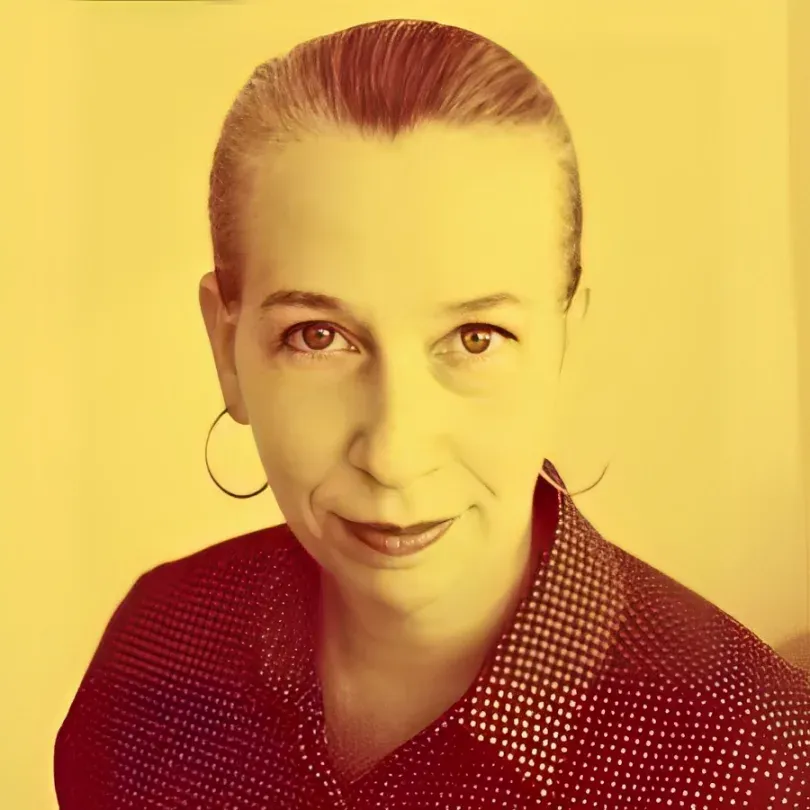

In Dari Zuron, death is not an end, but living matter, to be shaped with trembling hands. It is an invitation to contemplate the abyss and recognize our image within it. Because, as in the darkest dreams, even in darkness hides a form of truth. Dari Zuron the aesthetics of the uncanny between dream and decay.


Don’t forget to check out our other art posts!

Subscribe to our YouTube channel
Similar Posts

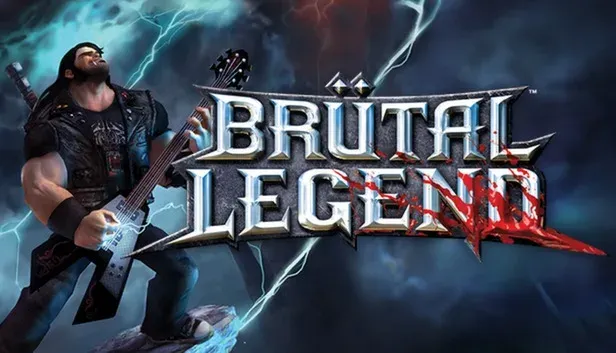
  • Brutal Legend

    The plot of “Brutal Legend” begins with Eddie Riggs, a roadie for a heavy metal band. During a disastrous concert, the stage collapses, and Eddie is severely injured. With blood flowing from his wound, the buckle of his belt comes into contact with a series of symbols and artifacts that evoke ancient forces. This magical event transports Eddie to a fantastical world inspired by metal imagery, known as the Kingdom of Metal.

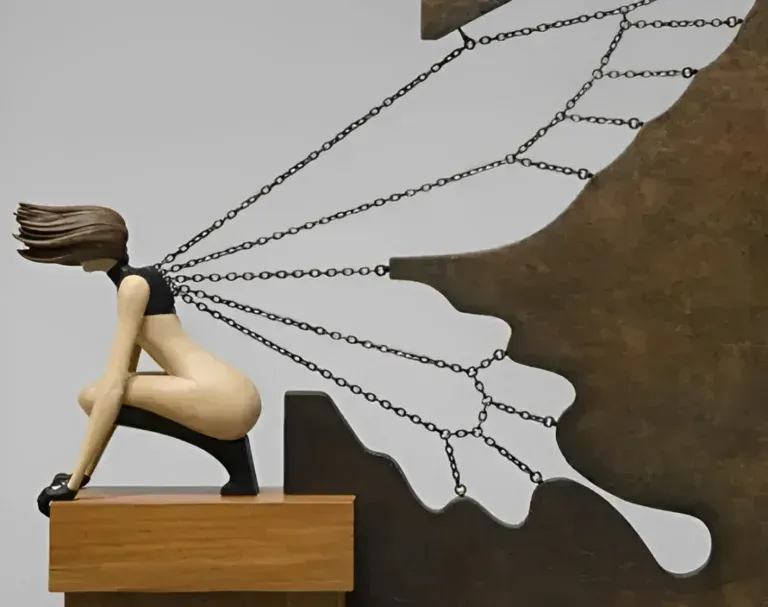
  • The Steampunk Surrealism of John Morris

    John Morris is a contemporary sculptor who has managed to create a unique artistic world, where organic and mechanical elements merge to give life to creatures and forms that seem to come from an alternate future or an industrial dream. His style, infused with surrealism and steampunk influences, challenges traditional perceptions of sculpture, transforming each work into a complex and evocative narrative. Through his craftsmanship and innovative use of materials such as wood and metal, Morris explores the relationship between nature and technology, creating a visual dialogue between past and future.

  • | |

    Dari Zuron The Aesthetics of the Uncanny Between Dream and Decay

    In the dark firmament of contemporary art, Dari Zuron emerges as a restless star, capable of sculpting nightmares with the same grace others use to sketch light. His works, rich in gloomy symbolism and gothic suggestions, seem to breathe in the limbo between death and memory, evoking disjointed figures, faces lost in the silence of oblivion, and twilight settings where every detail oozes wounded beauty.

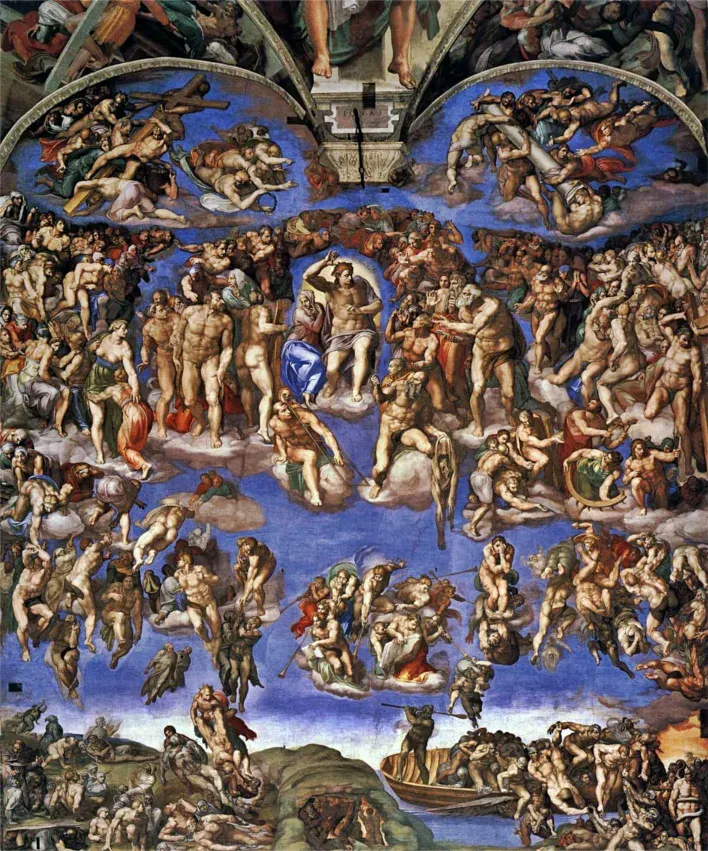
  • The Last Judgment

    “The Last Judgment” is a monumental fresco painted by Michelangelo Buonarroti in the Sistine Chapel between 1536 and 1541.
    Depicting the theme of the Last Judgment, the fresco covers the entire wall behind the altar, measuring about 12 meters in height by 14 meters in width, and represents one of the most imposing and important works of Renaissance art.

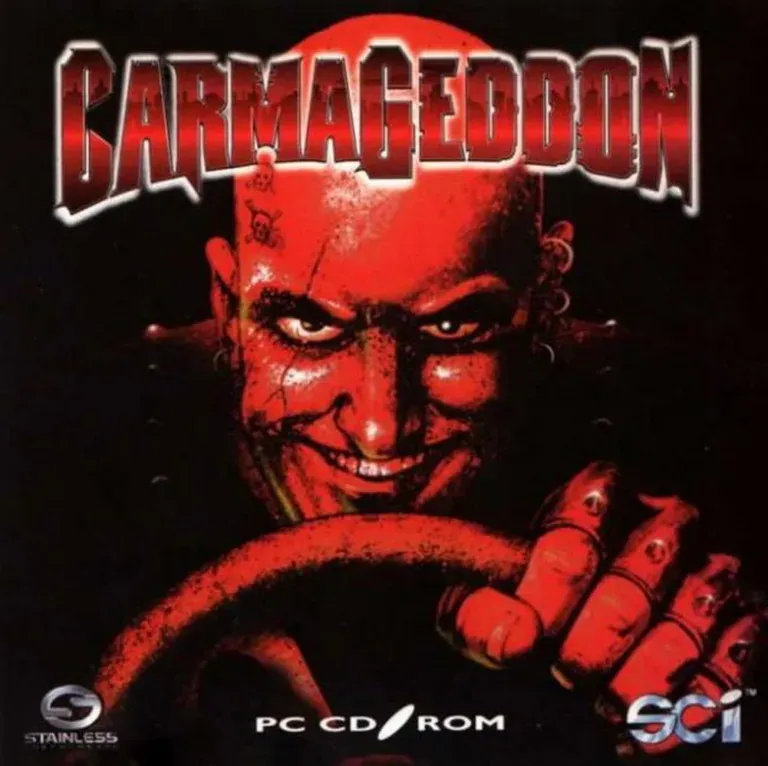
  • Carmageddon

    The title is clearly inspired by the 1975 film **Death Race 2000**, set in a dystopian future where an annual car race from New York to Los Angeles is held, and drivers are encouraged to run over as many people as possible to score higher points.

Leave a Reply

Your email address will not be published. Required fields are marked *