Dari Zuron The Aesthetics of the Uncanny Between Dream and Decay

In the dark firmament of contemporary art, Dari Zuron emerges as a restless star, capable of sculpting nightmares with the same grace others use to sketch light. Her works, rich in gloomy symbolism and gothic suggestions, seem to breathe in the limbo between death and memory, evoking disjointed figures, faces lost in the silence of oblivion, and twilight settings where every detail oozes wounded beauty. Dari Zuron the aesthetics of the uncanny between dream and decay.
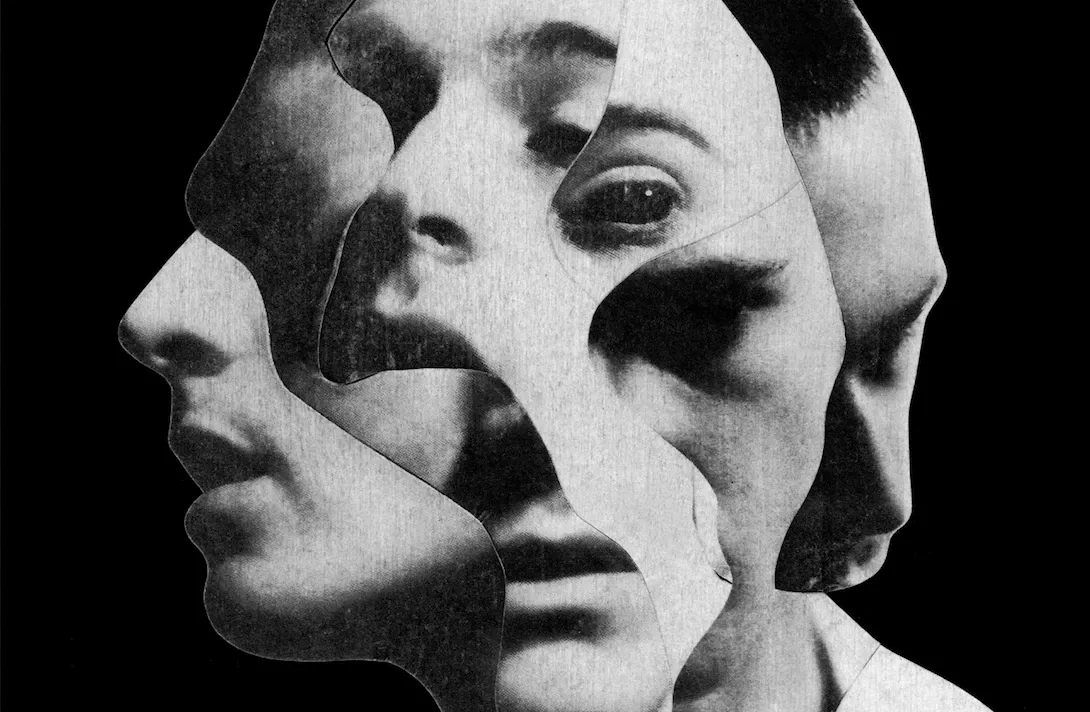
Zuron doesn’t merely paint bodies, but existential wrecks. Her figures — often emaciated, distorted, trapped in unnatural postures — seem like spirits eternally suspended, victims of a fate that repeats like a funeral echo. There is something viscerally theatrical in her painterly language: a tension between flesh and spirit, between matter and dissolution. The colors are muted, as if drowned in fog, and the darkness is not absence, but a protagonist.
The artist, while eluding any label, ideally follows in the footsteps of Zdzisław Beksiński and Francis Bacon, though with a style all her own: more melancholic than horrific, more dreamlike than violent. Her canvases, sometimes framed like relics, seem like gateways to an elsewhere populated by thinking shadows and gazes that do not look at us, but through us.
The theme of decomposition is central to her imagery: not so much as a celebration of the macabre, but as a meditation on time, loss, and the fragility of the human condition. Her works do not comfort, do not console — they wound with grace, leaving the viewer with an intimate and silent scar.
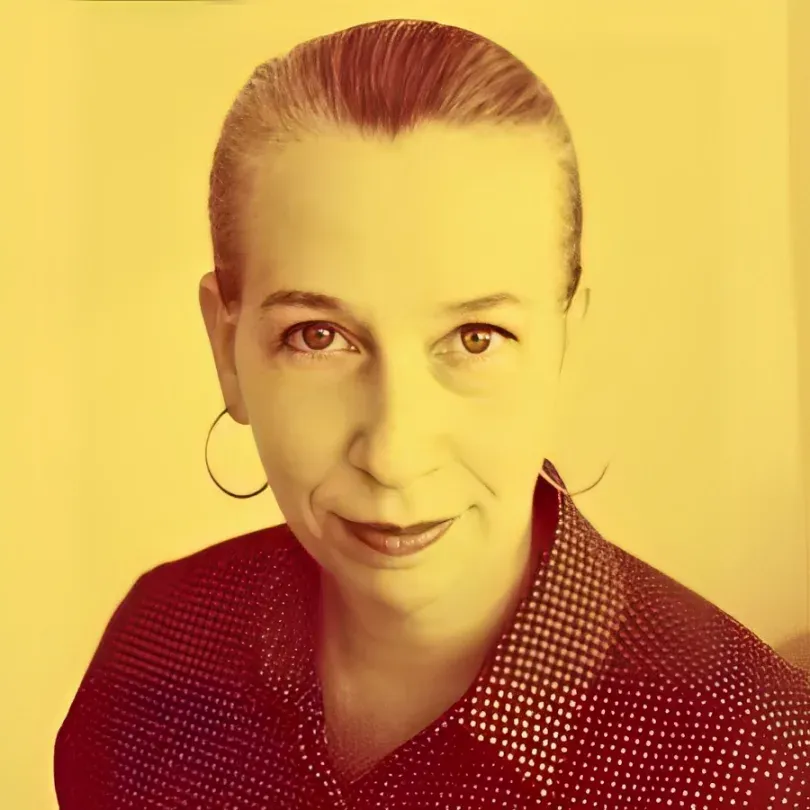
In Dari Zuron, death is not an end, but living matter, to be shaped with trembling hands. It is an invitation to contemplate the abyss and recognize our image within it. Because, as in the darkest dreams, even in darkness hides a form of truth. Dari Zuron the aesthetics of the uncanny between dream and decay.
Don’t forget to check out our other art posts!

Subscribe to our YouTube channel