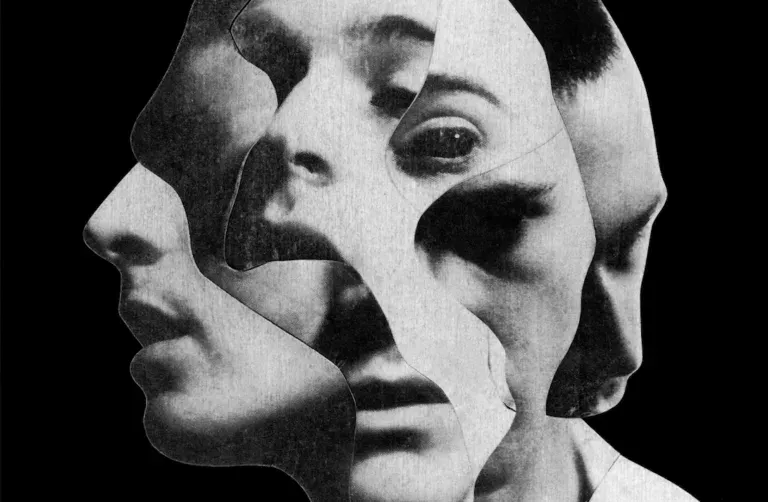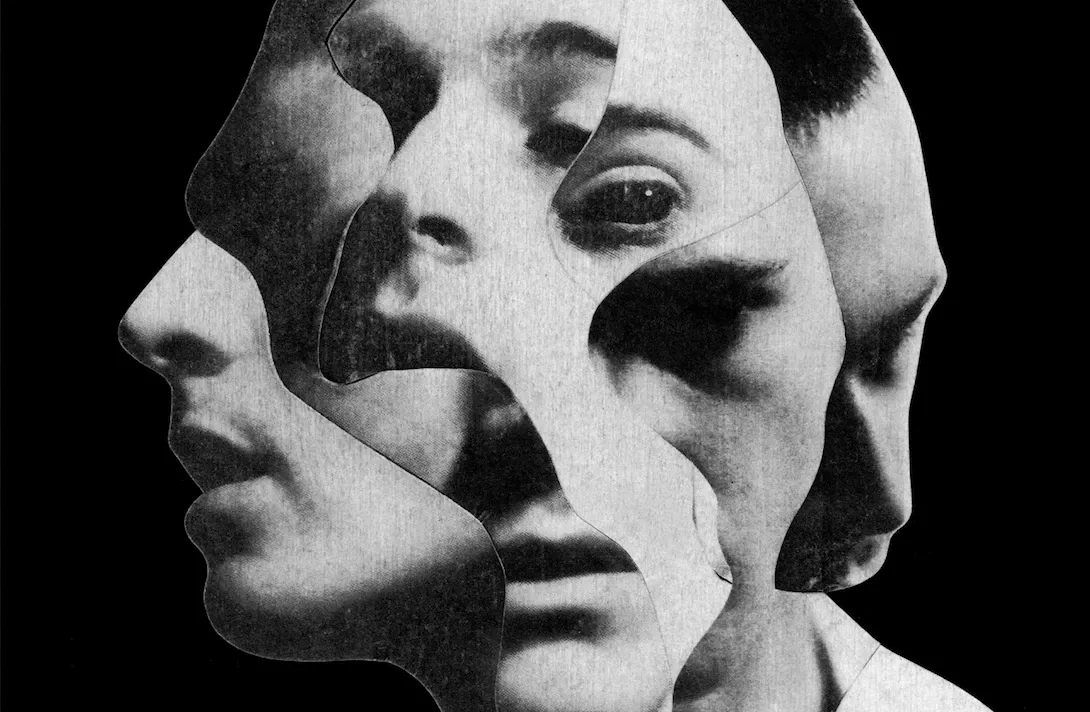
Jesse Draxler Il Disfacimento dell'IdentitĂ  Attraverso l'Arte
| | |

Dari Zuron The Aesthetics of the Uncanny Between Dream and Decay

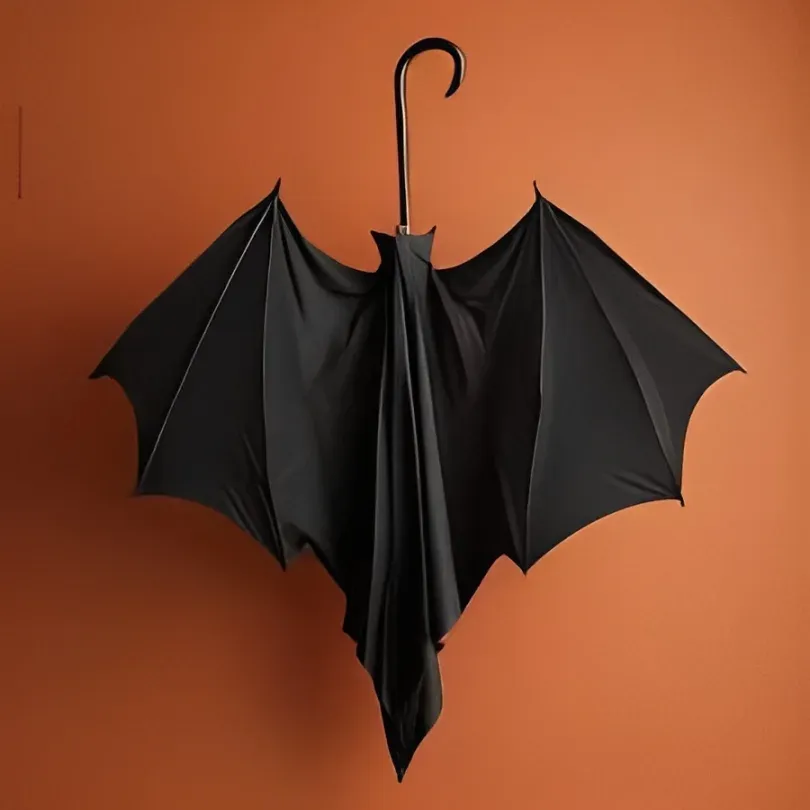
In the dark firmament of contemporary art, Dari Zuron emerges as a restless star, capable of sculpting nightmares with the same grace others use to sketch light. Her works, rich in gloomy symbolism and gothic suggestions, seem to breathe in the limbo between death and memory, evoking disjointed figures, faces lost in the silence of oblivion, and twilight settings where every detail oozes wounded beauty. Dari Zuron the aesthetics of the uncanny between dream and decay.

Zuron doesn’t merely paint bodies, but existential wrecks. Her figures — often emaciated, distorted, trapped in unnatural postures — seem like spirits eternally suspended, victims of a fate that repeats like a funeral echo. There is something viscerally theatrical in her painterly language: a tension between flesh and spirit, between matter and dissolution. The colors are muted, as if drowned in fog, and the darkness is not absence, but a protagonist.
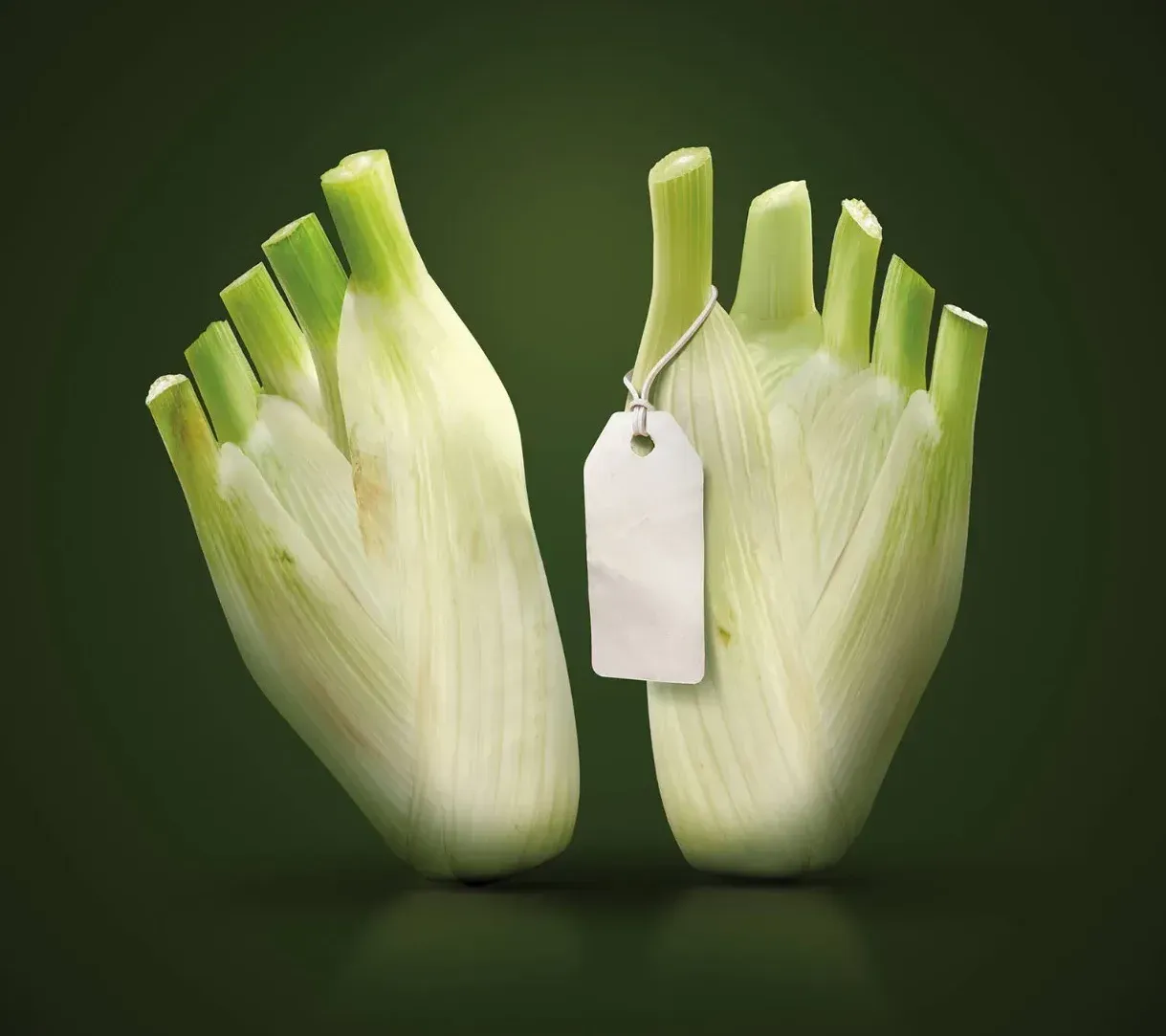

The artist, while eluding any label, ideally follows in the footsteps of Zdzisław Beksiński and Francis Bacon, though with a style all her own: more melancholic than horrific, more dreamlike than violent. Her canvases, sometimes framed like relics, seem like gateways to an elsewhere populated by thinking shadows and gazes that do not look at us, but through us.

The theme of decomposition is central to her imagery: not so much as a celebration of the macabre, but as a meditation on time, loss, and the fragility of the human condition. Her works do not comfort, do not console — they wound with grace, leaving the viewer with an intimate and silent scar.
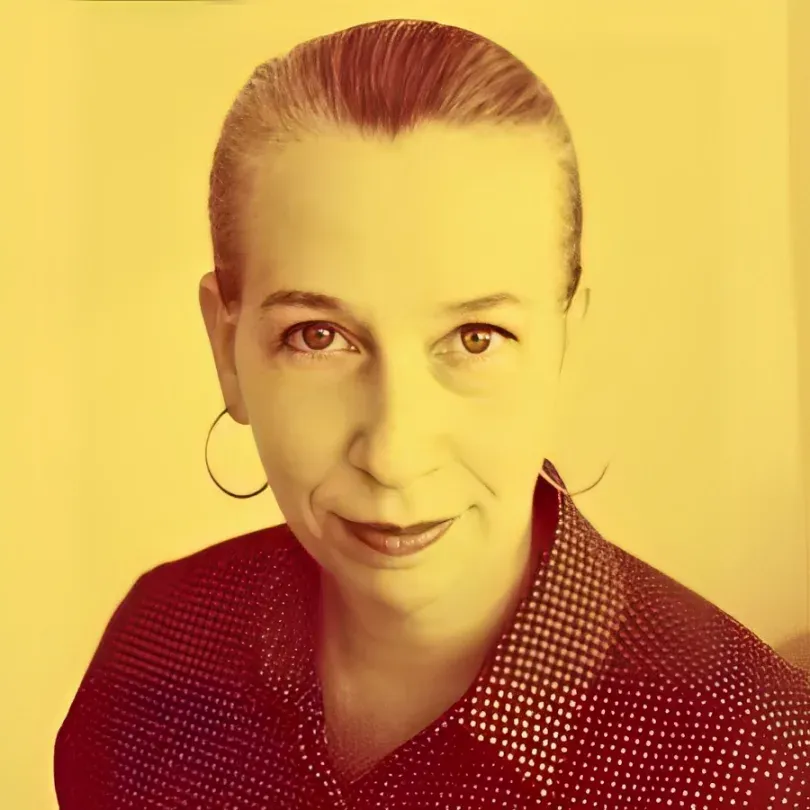

In Dari Zuron, death is not an end, but living matter, to be shaped with trembling hands. It is an invitation to contemplate the abyss and recognize our image within it. Because, as in the darkest dreams, even in darkness hides a form of truth. Dari Zuron the aesthetics of the uncanny between dream and decay.


Don’t forget to check out our other art posts!

Subscribe to our YouTube channel
Similar Posts

  • Dead Space Remake

    Isaac Clarke is an engineer and a crew member of a spaceship called the USG Kellion. After receiving a distress call, he and his team reach the orbit of the planet Aegis VII but, due to a malfunction, they
    crash on the Ishimura mining facility, where Isaac’s girlfriend, Nicole Brennan, works.

  • Nicolas Bruno and His Sleep Disorder

    Nicolas Bruno and His Sleep Disorder is a contemporary photographer who has distinguished himself in the global art scene thanks to his unique style, capable of blending horror elements, surrealism, and visual storytelling in an extremely evocative way. Born in 1993 in Northport, New York, Nicolas Bruno and his sleep disorder transformed a debilitating condition, sleep paralysis, into an inexhaustible source of artistic inspiration. His work has quickly gained international attention for its ability to explore the boundaries between reality and nightmare, leading the viewer into a world of anguish, mystery, and dark symbolism.

  • The Ethereal Figures of a Self-Taught Artist: Franck Kuman

    The ethereal figures of a self-taught artist, Franck Kuman… a French artist who, through his sculptures, evokes a world suspended between reality and imagination. His works, refined and elegant, convey a sense of lightness while being made from solid materials such as polished stainless steel and iron mesh. The contrast between the heaviness of the materials and the delicacy of the forms is one of the distinctive features of his work, embodying an extraordinary combination of strength and sensitivity.

  • Inside

    The player takes on the role of a child fleeing from men who seem to be part of an authoritarian regime. During his escape, the unnamed protagonist will pass through desolate factories, labs, and cities

  • The Face of War

    “The Face of War” is an iconic work by the surrealist master Salvador DalĂ­, created in 1940-1941 during World War II. This painting represents one of the most intense and dramatic moments of DalĂ­’s artistic expression, bearing witness to his genius in transforming the anxieties of war into a visual masterpiece.

  • Dagon

    The game is inspired by the tales of Howard Phillips Lovecraft, particularly the novella “Dagon,” from which it takes its name. The plot follows the story of a man shipwrecked on a mysterious island populated by monstrous creatures and cultists who worship an ancient and terrible deity.

Leave a Reply

Your email address will not be published. Required fields are marked *