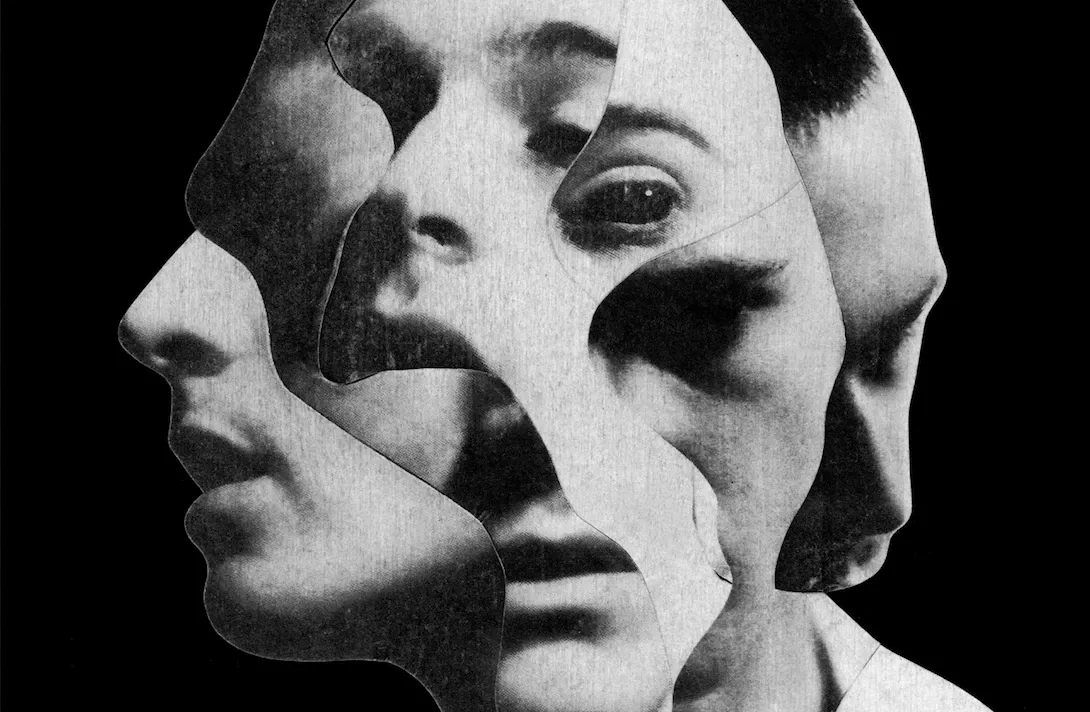
Jesse Draxler Il Disfacimento dell'IdentitĂ  Attraverso l'Arte
| |

Dari Zuron The Aesthetics of the Uncanny Between Dream and Decay

In the dark firmament of contemporary art, Dari Zuron emerges as a restless star, capable of sculpting nightmares with the same grace others use to sketch light. Her works, rich in gloomy symbolism and gothic suggestions, seem to breathe in the limbo between death and memory, evoking disjointed figures, faces lost in the silence of oblivion, and twilight settings where every detail oozes wounded beauty. Dari Zuron the aesthetics of the uncanny between dream and decay.

Zuron doesn’t merely paint bodies, but existential wrecks. Her figures — often emaciated, distorted, trapped in unnatural postures — seem like spirits eternally suspended, victims of a fate that repeats like a funeral echo. There is something viscerally theatrical in her painterly language: a tension between flesh and spirit, between matter and dissolution. The colors are muted, as if drowned in fog, and the darkness is not absence, but a protagonist.

The artist, while eluding any label, ideally follows in the footsteps of Zdzisław Beksiński and Francis Bacon, though with a style all her own: more melancholic than horrific, more dreamlike than violent. Her canvases, sometimes framed like relics, seem like gateways to an elsewhere populated by thinking shadows and gazes that do not look at us, but through us.

The theme of decomposition is central to her imagery: not so much as a celebration of the macabre, but as a meditation on time, loss, and the fragility of the human condition. Her works do not comfort, do not console — they wound with grace, leaving the viewer with an intimate and silent scar.
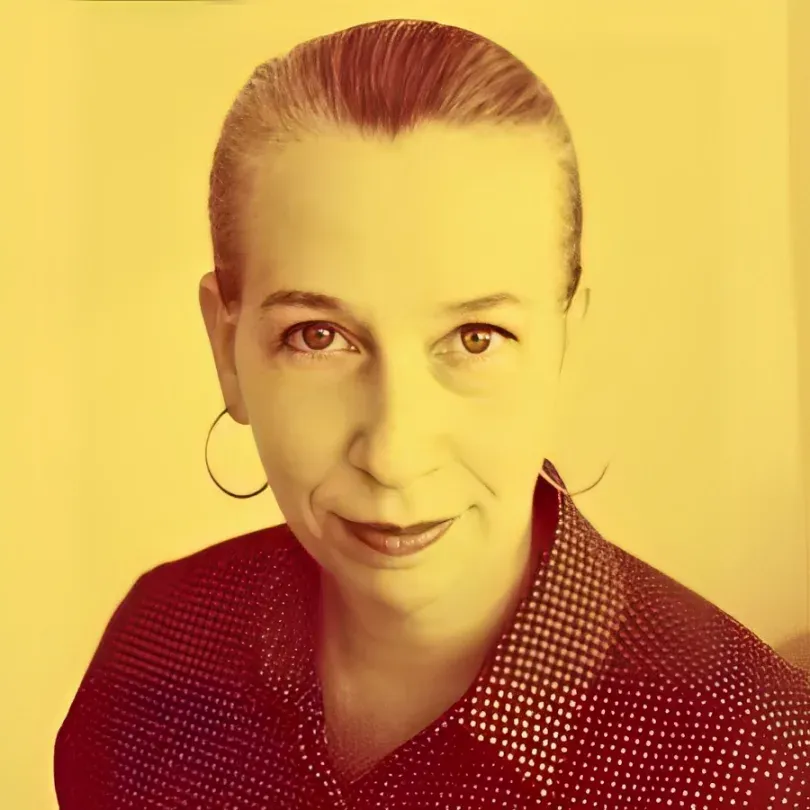

In Dari Zuron, death is not an end, but living matter, to be shaped with trembling hands. It is an invitation to contemplate the abyss and recognize our image within it. Because, as in the darkest dreams, even in darkness hides a form of truth. Dari Zuron the aesthetics of the uncanny between dream and decay.


Don’t forget to check out our other art posts!

Subscribe to our YouTube channel
Similar Posts

  • Hieronymus Bosch: The Master of Apocalypse and Medieval Surrealism

    Hieronymus Bosch (1450-1516) is one of the most enigmatic and visionary painters in the history of Western art. Known for his detailed and surreal depictions of biblical, allegorical, and fantastical scenes, Bosch created a body of work that continues to puzzle and fascinate scholars, critics, and art enthusiasts. His unique style and complex compositions make him a precursor of surrealism and fantastic art, while his themes of sin, redemption, and apocalypse resonate deeply in horror culture.

  • Layers of Fear

    A painter is trying to complete his masterpiece. The player controls the main character as he explores his house, attempting to uncover what is happening around him. The game uses a haunting atmosphere and spectacular graphics to immerse the player in psychological horror and the mystery surrounding the protagonist.

  • Resident Evil 2 (2019)

    Resident Evil 2 Remake roughly presents the same story as the classic title that was released on the original PlayStation.
    The protagonists are two: Leon Kennedy and Claire Redfield. Leon is a new recruit in the Raccoon City Police Department, while Claire is a student searching for her brother Chris (the protagonist of the series’ first chapter).

  • The Realism and Imagination of Patricia Piccinini

    Patricia Piccinini is a contemporary Australian artist known for her sculptures that blend realism with the imaginary, creating creatures that challenge aesthetic conventions and provoke strong emotional reactions. Her works explore themes of bioethics, evolution, genetics, and the boundary between natural and artificial. Piccinini’s horror sculptures, in particular, offer a deep and disturbing look into the possibilities of biotechnology and the idea of monstrosity in the modern era.

  • The Distorted Feminine by Monica Piloni

    Is a Brazilian artist born in 1978 in Curitiba, known for her distinctive and provocative artistic production. After graduating in 2002 from the School of Music and Fine Arts of ParanĂĄ, Piloni embarked on a journey exploring complex themes such as identity, sexuality, and the role of women in society. She currently lives and works in Brussels, where she continues to create pieces that challenge traditional perceptions of the body and femininity.

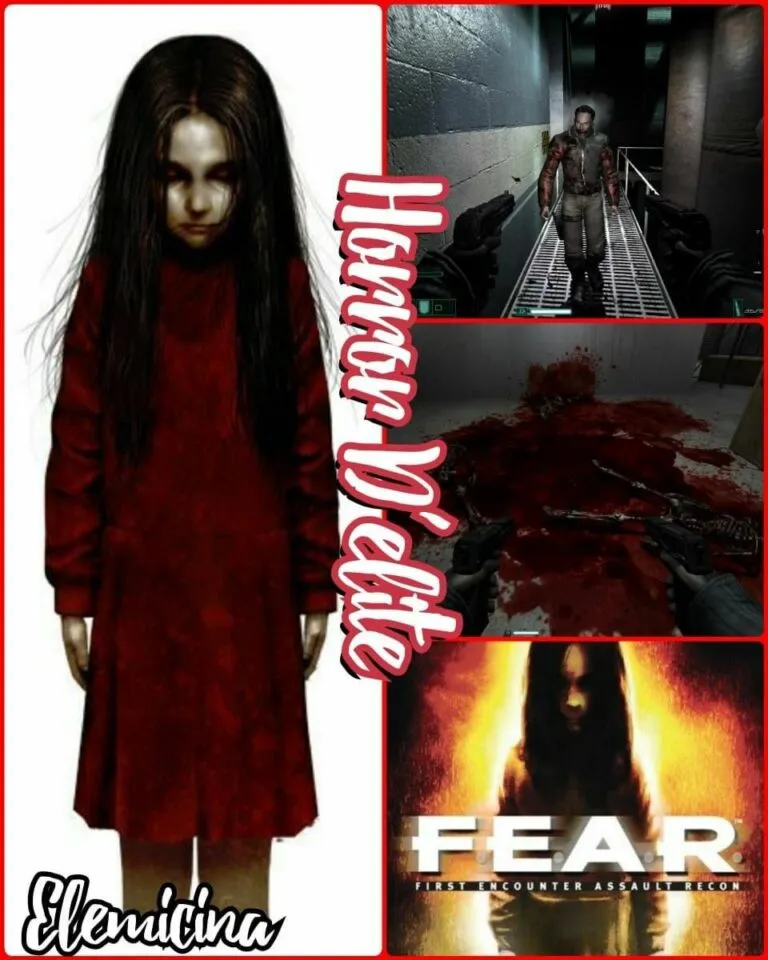
  • Fear

    The plot of F.E.A.R. falls into that category of video games that compensate for a shorter length with excellence in all other areas, including the narrative.

Leave a Reply

Your email address will not be published. Required fields are marked *