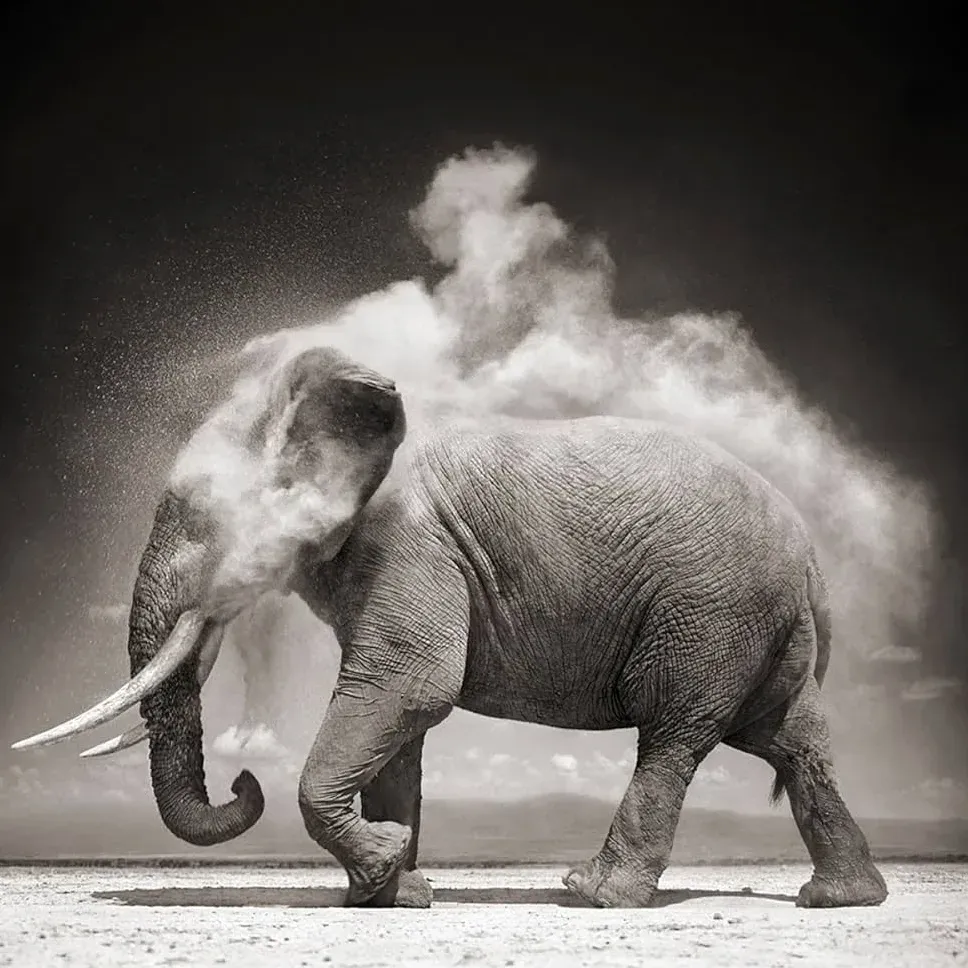
Nick Brandt La Bellezza Morente della Natura Selvaggia
| |

Dari Zuron The Aesthetics of the Uncanny Between Dream and Decay

In the dark firmament of contemporary art, Dari Zuron emerges as a restless star, capable of sculpting nightmares with the same grace others use to sketch light. Her works, rich in gloomy symbolism and gothic suggestions, seem to breathe in the limbo between death and memory, evoking disjointed figures, faces lost in the silence of oblivion, and twilight settings where every detail oozes wounded beauty. Dari Zuron the aesthetics of the uncanny between dream and decay.

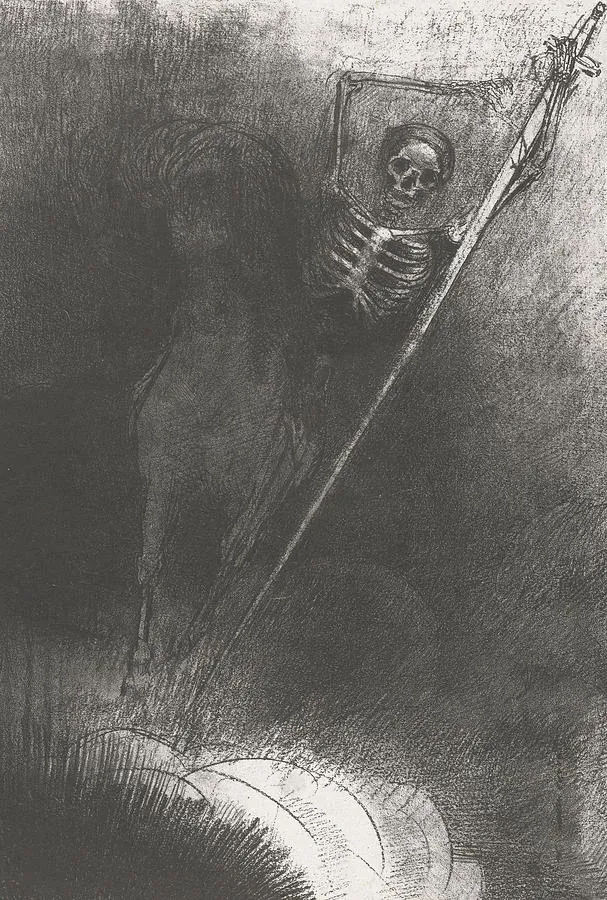
Zuron doesn’t merely paint bodies, but existential wrecks. Her figures — often emaciated, distorted, trapped in unnatural postures — seem like spirits eternally suspended, victims of a fate that repeats like a funeral echo. There is something viscerally theatrical in her painterly language: a tension between flesh and spirit, between matter and dissolution. The colors are muted, as if drowned in fog, and the darkness is not absence, but a protagonist.

The artist, while eluding any label, ideally follows in the footsteps of Zdzisław Beksiński and Francis Bacon, though with a style all her own: more melancholic than horrific, more dreamlike than violent. Her canvases, sometimes framed like relics, seem like gateways to an elsewhere populated by thinking shadows and gazes that do not look at us, but through us.

The theme of decomposition is central to her imagery: not so much as a celebration of the macabre, but as a meditation on time, loss, and the fragility of the human condition. Her works do not comfort, do not console — they wound with grace, leaving the viewer with an intimate and silent scar.
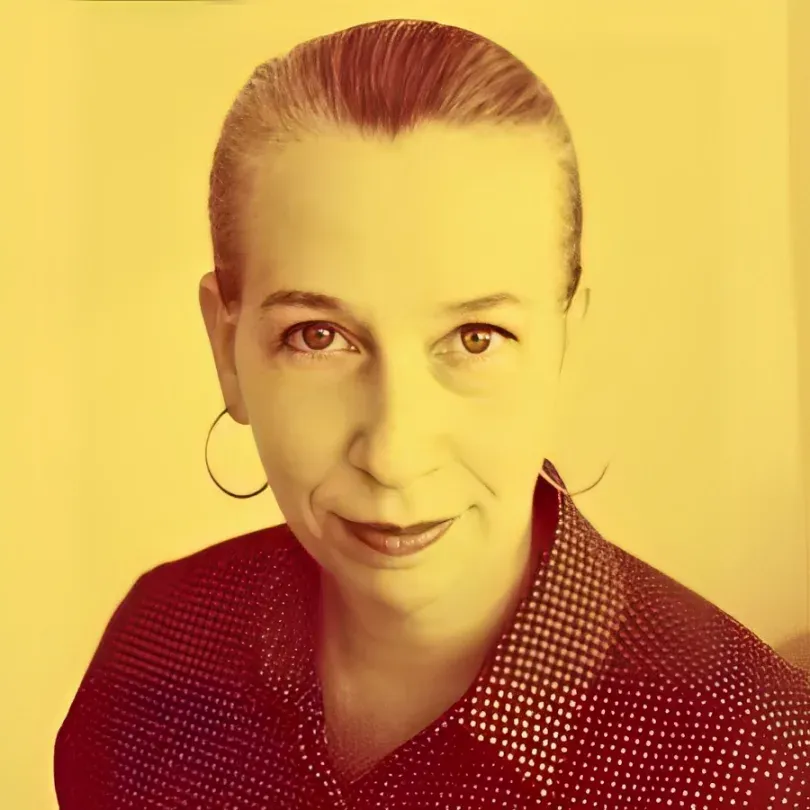

In Dari Zuron, death is not an end, but living matter, to be shaped with trembling hands. It is an invitation to contemplate the abyss and recognize our image within it. Because, as in the darkest dreams, even in darkness hides a form of truth. Dari Zuron the aesthetics of the uncanny between dream and decay.


Don’t forget to check out our other art posts!
Subscribe to our YouTube channel
Similar Posts

  • Spirit

    George Roux (1853-1924) was a prolific French artist and illustrator. Born on December 10, 1853, in Paris, Roux showed early artistic talent and studied under the guidance of his father, who was also an artist. Specializing in historical genre painting and illustration, Roux gained fame particularly for his illustrations for the novels of Jules Verne, significantly contributing to the visual imagery of many literary works of the time.

  • When Design Becomes Art: The Legacy of Ingo Maurer

    When Design Becomes Art: The Legacy of Ingo Maurer. In the vast world of contemporary design, there are names that stand out for their ability to transcend mere function and transform everyday objects into emotional experiences. Ingo Maurer is certainly one of these. Often referred to as a “poet of light,” Maurer has redefined the concept of lighting, turning lamps and chandeliers into true works of art. But his greatness does not stop there: his legacy invites us to reflect on a broader and deeper question: when can, or should, design become art?

  • Gustave DorĂŠ: The Master of Illustration and the Fantastic

    Gustave DorĂŠ: The Master of Illustration and the Fantastic (1832-1883) is one of the most celebrated and influential illustrators of the 19th century. Known for his extraordinary engravings, DorĂŠ brought to life fantastical worlds and epic tales through his art. His illustrations for literary works such as Dante’s *Divine Comedy*, Cervantes’ *Don Quixote*, and *The Bible* have become iconic, visually defining these texts for generations of readers. His ability to capture the dramatic and imaginative essence of stories made him a pioneer in the art of illustration.

  • Steven Klein: Sexuality and Decadence

    is one of the most influential and controversial contemporary photographers, known for his provocative style that merges fashion, art, and horror into a bold and unsettling visual language. With a career spanning over three decades, Klein has collaborated with some of the biggest icons in pop culture, creating images that challenge conventions and explore themes such as power, identity, sexuality, and decadence.

  • Death Stranding

    United Cities of America — this is what remains of the USA after the cataclysm known as Death Stranding, which brought the “Beach Creatures” into our world through the Beach, a dimension that serves as a bridge to the afterlife.

  • | | |

    Dari Zuron The Aesthetics of the Uncanny Between Dream and Decay

    In the dark firmament of contemporary art, Dari Zuron emerges as a restless star, capable of sculpting nightmares with the same grace others use to sketch light. His works, rich in gloomy symbolism and gothic suggestions, seem to breathe in the limbo between death and memory, evoking disjointed figures, faces lost in the silence of oblivion, and twilight settings where every detail oozes wounded beauty.

Leave a Reply

Your email address will not be published. Required fields are marked *