Eyeball

Eyeball: A Classic of Italian Giallo
Original Title: Gatti Rossi in un Labirinto di Vetro
Year: 1975
Director: Umberto Lenzi
Screenplay: Félix Tusell
Main Cast: Martine Brochard, John Richardson, Ines Pellegrini, Andrés Mejuto, Mirta Miller
Genre: Giallo
Soundtrack: Bruno Nicolai
Introduction

“Eyeball,” originally titled “Gatti Rossi in un Labirinto di Vetro,” is a 1975 film directed by Umberto Lenzi, one of the most prolific and versatile directors in Italian genre cinema. This film belongs to the giallo genre, a type of Italian thriller that gained great popularity in the ’60s and ’70s, characterized by intricate plots, mysterious murders, tense atmospheres, and distinctive use of music and cinematography. With this film, Lenzi once again demonstrates his mastery in creating suspense and tension, solidifying his prominent role in the genre film landscape.
Plot
The film follows a group of American tourists on vacation in Barcelona, who find themselves embroiled in a series of brutal murders. The story begins with the murder of a young woman in a hotel and develops into a crescendo of tension and fear, with the killer striking without apparent logical reason. Every member of the group becomes a suspect and potential victim, in a deadly game that unfolds amid the evocative settings of the Catalan city.
Main Characters

Martine Brochard plays the protagonist, one of the tourists at the center of the events. John Richardson is the ambiguous and charming man who seems to know more than he says. Ines Pellegrini and Mirta Miller deliver memorable performances as two of the tourists involved in the mystery. Andrés Mejuto portrays the detective assigned to solve the case, a pragmatic and determined character.
Themes and Style
1. Fear of the Unknown and Suspicion:

Lenzi skillfully builds a plot that plays with the theme of suspicion. Every character has secrets, and the director uses this element to keep the tension high. Viewers are constantly led to wonder who the next victim will be and who the killer might be.
2. The Aesthetic of Giallo:
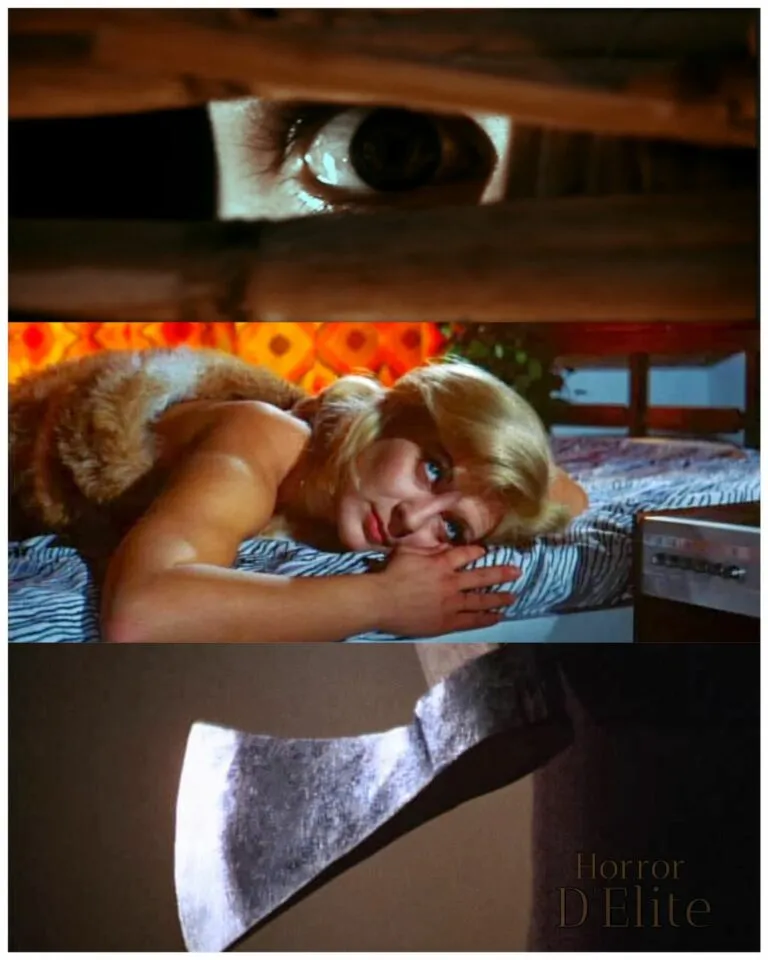
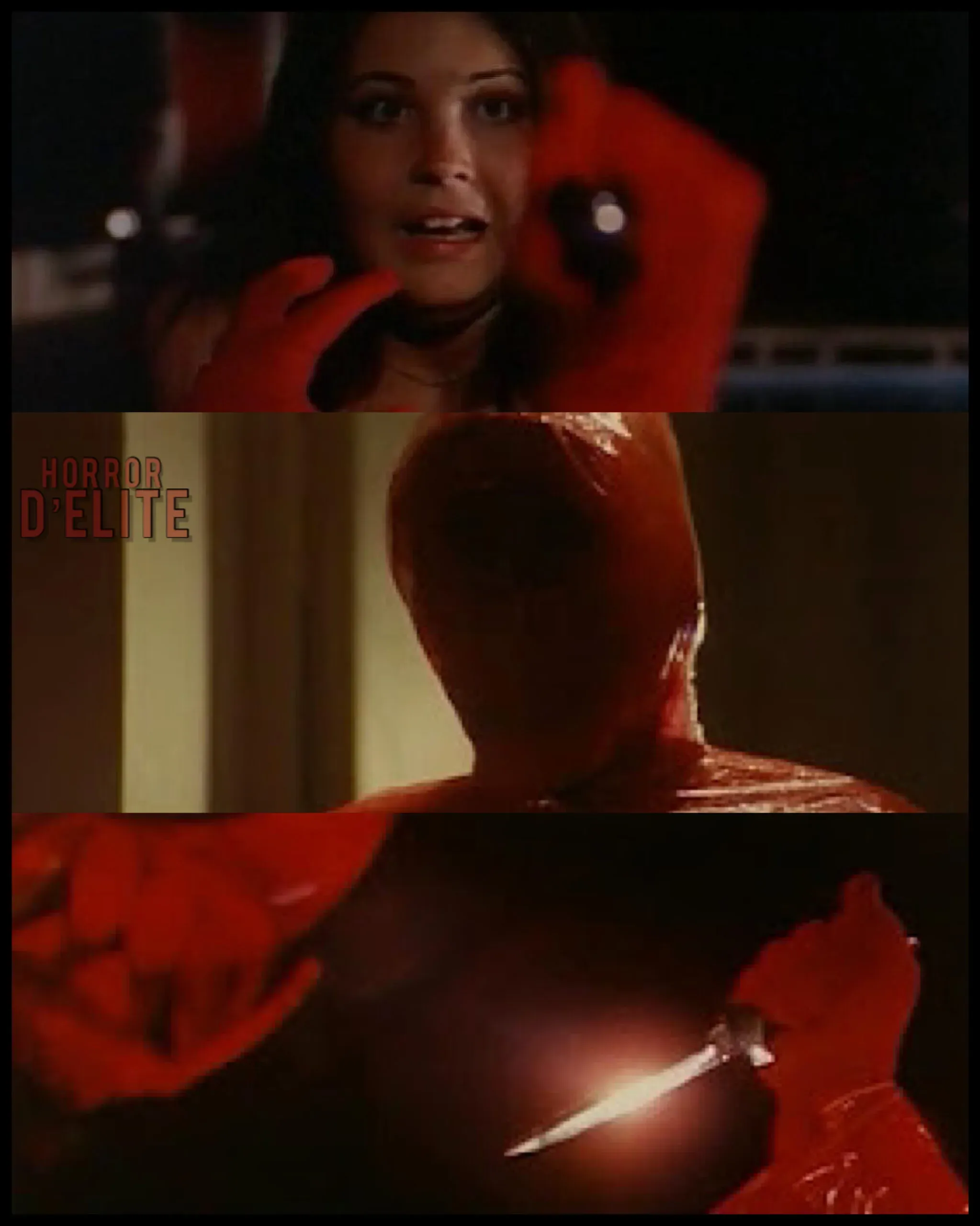
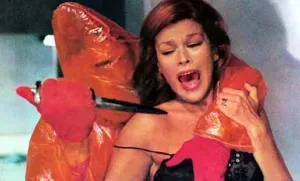
The film is a perfect example of the giallo aesthetic, with the skillful use of colors, especially red, symbolizing violence and danger. The murder scenes are choreographed with precision, often accompanied by close-ups of the terrified faces of the victims and the killer.
3. Bruno Nicolai’s Soundtrack:
Music plays a fundamental role in creating the film’s atmosphere. Bruno Nicolai’s soundtrack is a mix of eerie sounds and pulsating melodies that heighten the suspense and perfectly accompany the scenes of tension and terror.
4. Setting in Barcelona:
The choice to set the story in Barcelona adds an extra layer of exoticism and mystery. The city, with its narrow streets and Gothic buildings, becomes almost a character in itself, a labyrinth where deadly events unfold.
Psychological Analysis
The film explores the psychology of its characters through incisive dialogues and stressful situations. Each character reacts differently to the growing fear and suspicion, revealing hidden sides of their personalities. The sense of claustrophobia and paranoia is palpable, with the characters becoming increasingly isolated and desperate.
Actors’ Performances
 The actors’ performances are crucial to the film’s success. Martine Brochard delivers an intense performance, capturing the vulnerability and determination of her character. John Richardson adds a touch of mystery and ambiguity, while the rest of the cast effectively supports the plot with believable and engaging performances.
Critical Reception
Upon its release, “Eyeball” received mixed reviews. Some critics praised the film for its ability to maintain high suspense and the originality of the plot, while others criticized it
for its graphic violence
and some sensationalistic a
spects. However, over the years, the film has been re-evaluated and has become a classic of the genre, appreciated for its unique atmosphere and Lenzi’s assured direction.
Influence and Legacy
The film has influenced numerous subsequent directors and continues to be a reference point for fans of giallo and horror. Its ability to mix psychological suspense, stylized violence, and eerie atmospheres makes it an excellent example of how Italian genre cinema has innovated and fascinated international audiences.
Conclusion
“Eyeball” perfectly embodies the characteristics of Italian giallo. Umberto Lenzi’s direction, Bruno Nicolai’s soundtrack, and the convincing performances of the cast contribute to creating a compelling and memorable work. For fans of the genre, this film represents a must-see, a journey into the labyrinth of fear and suspicion that continues to intrigue and frighten decades after its creation.
 Subscribe to our YouTube channel