Motohiko Odani: The Art of Transformation and Metamorphosis

In the world of contemporary sculpture, Motohiko Odani stands out as a prominent figure, skillfully blending traditional Japanese art with a futuristic and innovative vision. Born in 1972 in Kyoto, Odani has captivated the public’s imagination with his extraordinary works that explore themes of metamorphosis, identity, and the fragility of human existence.
 A Journey of Transformation
 A Journey of Transformation
Odani’s artistic career begins with a solid academic foundation. After studying at the Kyoto University of Art and Design, he moved to Paris to further develop his style and artistic vision. This international experience had a significant impact on his art, profoundly influencing his perception and approach to sculpture.
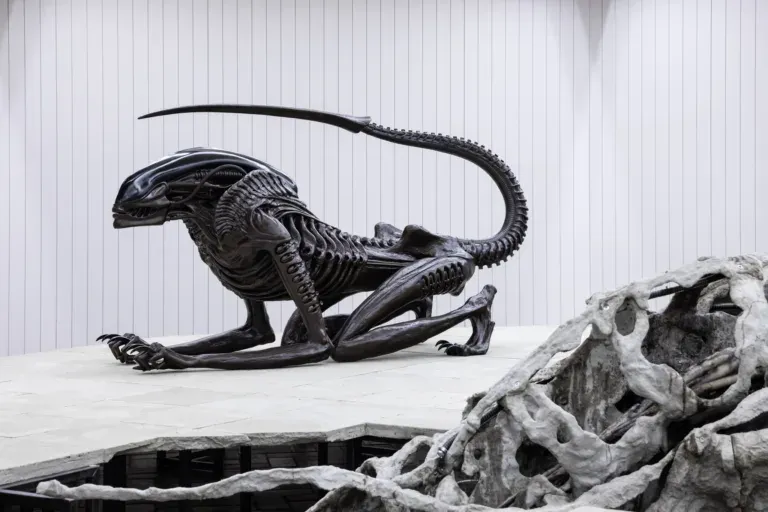
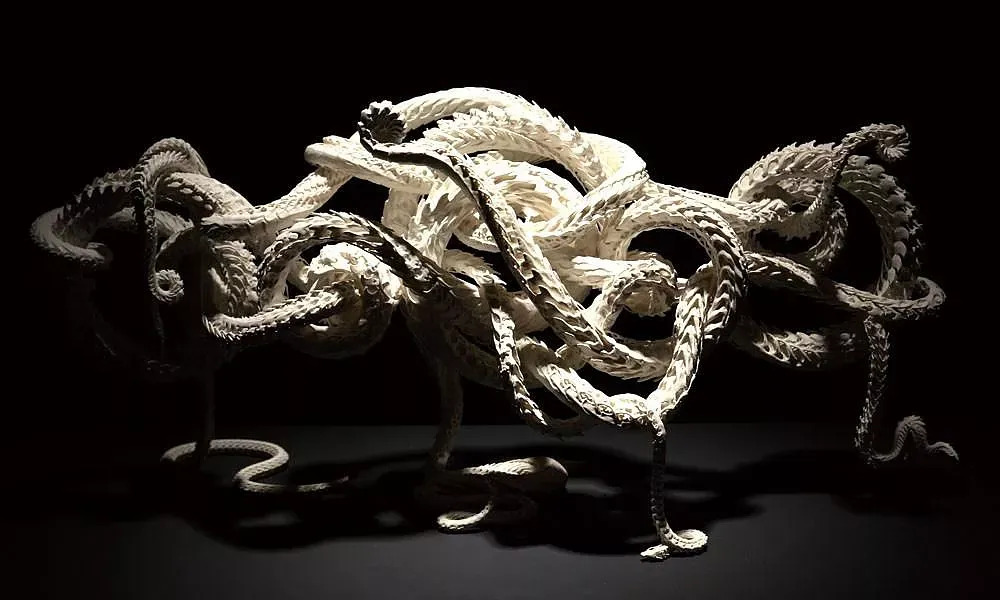
Odani’s works are characterized by an extraordinary ability to transform ordinary materials into creations that challenge our understanding of reality and perception. Utilizing a variety of techniques and materials, including resins, plastics, and metals, he creates sculptures that seem to traverse the boundaries between the living and the inanimate, the material and the immaterial.
Metamorphosis and Identity
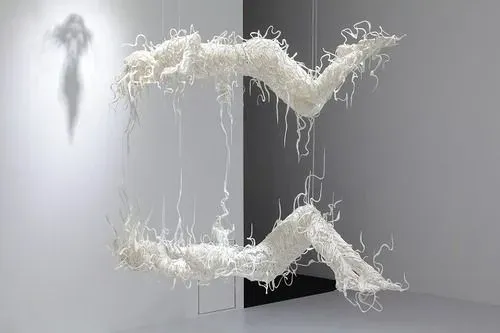
One of the central themes in Odani’s work is metamorphosis, explored through the use of forms and structures that change and evolve. His sculptures often feature elements in transformation, reflecting a meditation on the fragility and transience of human life. This exploration is manifested in works such as “Psyche”, a series of sculptures depicting human figures undergoing processes of metamorphosis, as if transitioning from one state of existence to another.
Another recurring theme in his works is identity, which Odani explores through the manipulation of forms and materials. His sculptures often appear to be in a state of suspension, as if on the verge of revealing a hidden truth or assuming a new form. This approach reflects his interest in the fluidity of identity and his view of the individual as a constantly evolving entity.
 Technique and Innovation
 Technique and Innovation
Odani is also renowned for his technical skill and innovation in material use. His technique often involves the use of advanced technologies and unconventional creation processes. For example, in the “Eros” series, he uses resin and other materials to create sculptures that almost seem organic, as if growing or evolving before our eyes. These pieces are characterized by a smooth and translucent surface that gives them an ethereal and otherworldly appearance.
Recognition and Impact
Odani’s career is marked by successes and accolades. His works have been exhibited in galleries and museums worldwide, including the Museum of Contemporary Art in Tokyo and the Templon Gallery in Paris. His work has been praised for its originality and its ability to push the boundaries of sculptural art.
Additionally, Odani has had a significant impact on the contemporary art scene, inspiring other artists to explore similar themes and to use innovative materials and techniques. His ability to blend elements of Japanese tradition with a contemporary artistic language has helped create a bridge between different cultures and eras.
 Conclusion
 Conclusion
Motohiko Odani is an artist who challenges conventions and reinterprets the concept of sculpture in new and fascinating ways. His exploration of metamorphosis and identity, combined with his technical mastery, places him among the great innovators of contemporary sculpture. His works not only enrich the global artistic landscape but also invite a deep reflection on the nature of existence and transformation.
In a constantly changing world, Odani’s sculptures remind us of the beauty and complexity of our own metamorphosis, offering a captivating mirror in which we can reflect on our experiences and perceptions.

Subscribe to our YouTube channel