Capturing the Essence: The Intimate and Visionary Art of Mira Nedyalkova

Capturing the Essence: The Intimate and Visionary Art of Mira Nedyalkova
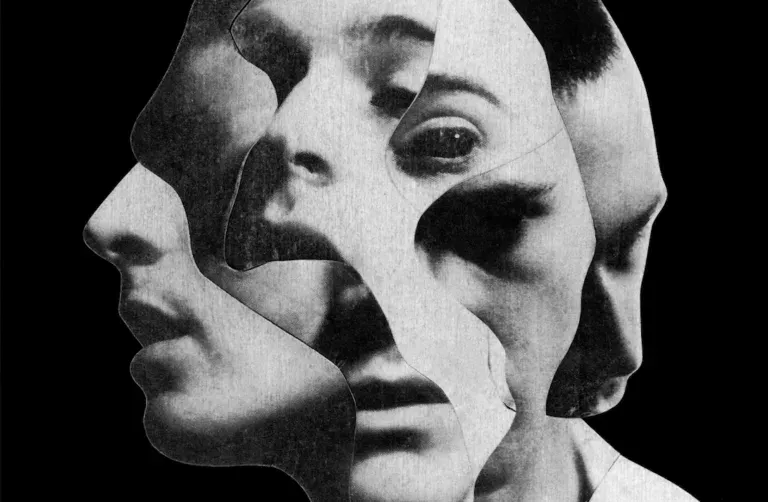
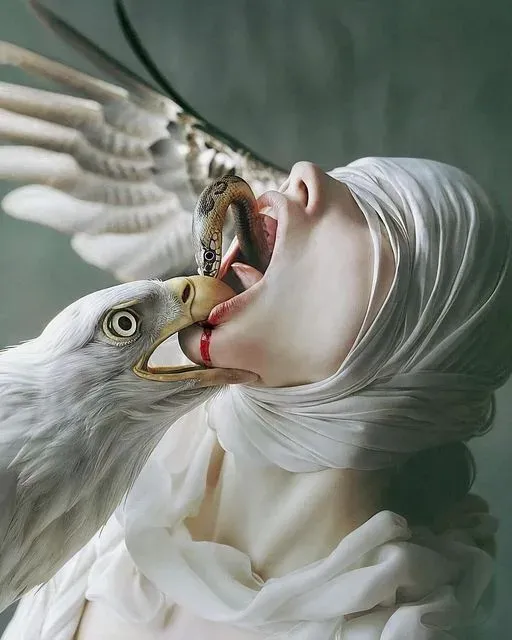
Mira Nedyalkova is a Bulgarian-born photographer and visual artist, known for her distinctive work that explores complex themes such as intimacy, vulnerability, and beauty. Her artistic approach, characterized by a dark and sensual aesthetic, sets her apart in the contemporary photography scene. The Intimate and Visionary Art of Mira Nedyalkova.
 Biography and Education Born in Bulgaria, Mira Nedyalkova began her artistic career as a painter and model. This background deeply influenced her approach to photography, leading her to develop a style that blends painterly aesthetics with photographic techniques. Her training in painting provided her with a profound understanding of light, composition, and color—elements she masterfully employs in her photographs.
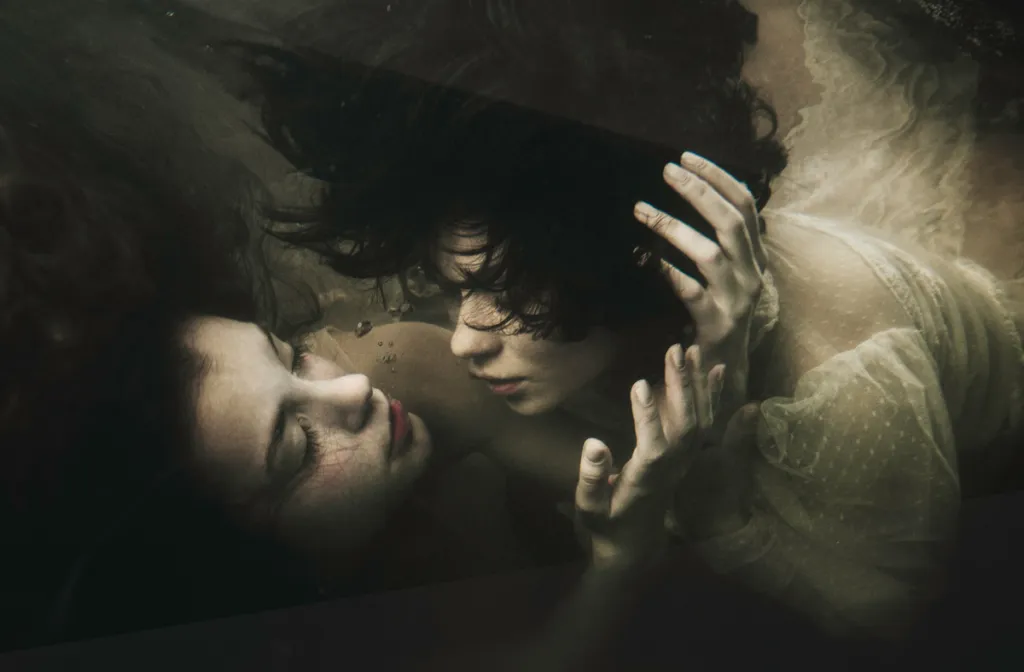
Style and Themes Nedyalkova’s work is distinguished by her ability to capture the emotional essence of her subjects. Her photographs often depict female figures immersed in aquatic environments or dreamlike situations, creating an atmosphere suspended between reality and imagination. Water, in particular, is a recurring element in her works, symbolizing purity, transformation, and mystery.
Her images evoke feelings of melancholy and solitude, yet also strength and resilience. Nedyalkova explores human vulnerability with a delicacy and respect that is reflected in the details of her compositions. Each photograph is designed to stand as a self-contained work of art, capable of telling a story or evoking a deep emotional response in the viewer.
 Creative Process Mira Nedyalkova’s creative process is meticulous and involves detailed preparation. She often works with models with whom she has a strong personal connection, creating an atmosphere of trust and mutual understanding. This allows her to capture moments of authentic intimacy, conveying a sense of reality and immediacy. Her photo sessions are often long and intense, with particular attention to creating the atmosphere and directing the light.
Nedyalkova doesn’t merely take a photograph—she often intervenes afterward, adding painterly elements or digitally manipulating the images to achieve the desired effect. This hybrid approach, combining photography, painting, and digital manipulation, allows her to create unique and personal works.
 Influence and Recognition Mira Nedyalkova has gained international recognition for her work, exhibiting her pieces in galleries and shows around the world. Her ability to merge beauty with introspection has garnered her a dedicated following of fans and collectors. Her photographs have been featured in numerous art and photography magazines, solidifying her reputation as one of the most intriguing voices in the contemporary art world.
Conclusion Mira Nedyalkova is an artist who challenges the conventions of traditional photography, exploring new forms of visual expression. Her work is not only a celebration of aesthetic beauty but also a deep reflection on the human experience. Through her images, Nedyalkova invites the viewer to confront complex emotions and explore their own inner world. Her unique style, which fuses painting and photography, will continue to inspire and captivate the art world for years to come. The Intimate and Visionary Art of Mira Nedyalkova.

Subscribe to our YouTube channel